Understanding why do my leather gloves stretch over time is essential for anyone who owns a pair. Leather is a natural material. It is soft, flexible, and comfortable. Over time, however, these gloves can lose their original shape.
Many factors contribute to this stretching process. One primary reason is the natural oils in your skin. When you wear your gloves, these oils can be absorbed by the leather. This causes the fibers to loosen. Moisture from sweat also plays a role, softening the leather further. Environmental conditions, like humidity and heat, can exacerbate the stretching issue.
Another consideration is how you care for your gloves. Proper cleaning and conditioning can prolong their lifespan. But neglecting them may lead to undesirable stretching. Reflecting on these factors can help you better understand your leather gloves. They are a worthwhile investment, and taking care of them properly is crucial.
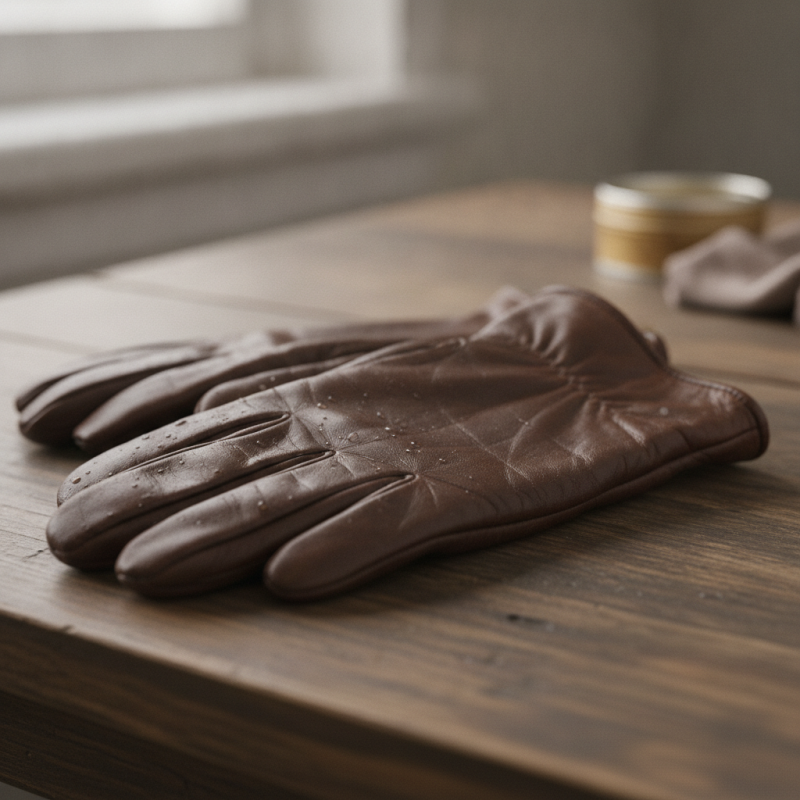
Leather is a natural material made from animal hides. Its unique structure gives it both beauty and warmth. When you first wear leather gloves, they feel snug. This tight fit is due to the fibers in the leather being compacted. Over time, the gloves start to stretch as you use them. This stretching is a direct result of the leather’s inherent properties.
Leather consists of collagen fibers, which are strong yet flexible. As you wear your gloves, these fibers shift and relax. They adjust to the shape of your hands. This process can lead to a more comfortable fit, but it can also be a double-edged sword. If the gloves stretch too much, they may lose their original shape. It’s easy to overlook this risk when you appreciate the snug feel of new gloves.
Caring for leather is essential to maintain its integrity. Using conditioners can help preserve the fibers and prevent excessive stretching. However, using too much product can make the leather overly soft or even slippery. It’s a balance that requires attention and some trial and error. Understanding the properties of leather allows you to choose the right care techniques for your gloves.
Leather gloves are popular for their durability and style. However, many users notice that their gloves stretch over time. This stretching can be influenced by several factors. Moisture is a major contributor. When leather absorbs perspiration, it softens and expands. This can lead to a looser fit after consistent use. Research indicates that leather can stretch up to 25% of its original size when subjected to moisture and heat.
Another critical factor is the quality of the leather itself. Higher quality leather tends to stretch less over time compared to lower grades. A report by the Leather Naturally association notes that top-grain leather maintains structure better than corrected-grain varieties. Regular wear also affects the glove fit. Frequent bending and flexing can cause them to lose their shape.
To help maintain the fit of leather gloves, consider the following tips: Store your gloves in a cool, dry place. This prevents excessive moisture buildup. Use glove trees or stuff them with newspaper to maintain their shape. Lastly, avoid using them in extremely wet conditions to prevent excessive stretching. Remember, finding the right balance between comfort and fit is essential. Regular maintenance can extend the life of your leather gloves.
Regular use of leather gloves can lead to noticeable stretching over time. This is primarily due to the natural characteristics of leather. The material is designed to adapt to the shape of your hands, resulting in a snug fit that can loosen with wear. When you wear gloves frequently, the fibers of the leather flex and soften. This process creates a personalized fit but can also lead to excess stretching if the gloves are not cared for properly.
It's essential to consider how you handle the gloves during use. Engaging in activities that require gripping or pulling can further accelerate the stretching process. For example, if you wear your leather gloves while using tools, the constant stress can lead to deformation. Conversely, letting your gloves rest between uses can help maintain their shape.
While some stretching is natural and even desirable, it’s crucial to choose the right size initially. Oversized gloves will stretch more significantly. It might be tempting to think that all leather gloves will eventually mold perfectly to your hands, but over time, poor fit can lead to discomfort. Mindful usage and proper care can mitigate excessive stretching and prolong the life of your gloves.
This chart illustrates the average stretch percentage of leather gloves over time based on regular use. The data shows how different usage frequencies can affect the fit of leather gloves.
Leather gloves, while stylish and warm, can stretch over time due to natural wear and the oils from your hands. To prevent this, proper care is essential. Avoid soaking your gloves in water, as this can cause them to lose shape. Instead, gently wipe them with a damp cloth.
One tip is to store your gloves with care. Avoid crumpling them into a drawer. Instead, use a dedicated space where they can maintain their shape. Consider using glove trees or stuffing them with tissue paper to help them keep their form.
Additionally, conditioning your gloves can be beneficial. Use a leather conditioner every few months to keep the material supple. This can help prevent overstretching and cracking. Remember, all leather requires some upkeep. Treating your gloves with respect will reward you with longer-lasting wear.
Leather gloves are a timeless accessory, but they do wear out. Knowing when to replace them can save you discomfort and frustration. Look for specific signs that indicate it’s time for a new pair.
One major sign is visible wear and tear. Check for cracks or thinning areas on the leather. If you can see these imperfections, the gloves may no longer provide adequate protection. Stretching is another issue. If your gloves fit too loosely, they may slip off easily during use. A snug fit is essential for leather gloves to perform well.
Also, pay attention to the lining. A deteriorating lining can lead to chafing and reduced comfort. If you notice excessive fluff, it's a clear sign of aging. Additionally, a faded color can indicate that the leather has lost its protective oils, affecting its durability. Remember, buying quality gloves is an investment. Regular inspection can inform you when it’s time to make that investment again.
: Regular use leads to stretching due to the natural characteristics of leather. It adapts to your hands over time.
Activities involving gripping or pulling, like using tools, accelerate stretching. This stress deforms the gloves.
Store gloves in a dedicated space. Avoid crumpling and consider using glove trees or stuffing with tissue paper.
Yes, some stretching can be desirable for a personalized fit. However, excessive stretching should be avoided.
Visible wear, such as cracks or thinning areas, is a clear sign. A loose fit and deteriorating lining indicate it's time.
Look for excessive fluff in the lining, faded color, and noticeable wear. These suggest the gloves need replacing.
Leather gloves are known for their durability and style; however, many users wonder, "why do my leather gloves stretch over time?" Understanding the structure of leather is key, as it consists of natural fibers that can loosen with regular use and exposure to elements. Factors such as moisture, temperature, and consistent hand movements can contribute to the stretching of leather gloves.
Regular use plays a significant role in how the gloves fit, as repeated friction can cause the fibers to relax. To maintain their shape, it is essential to follow care tips, such as proper cleaning and storage. Additionally, being aware of signs indicating when it's time to replace your leather gloves can ensure you always have the best fit and protection. Keep these considerations in mind to extend the life of your leather gloves.

U-Rare Fashion