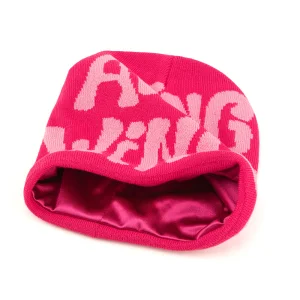
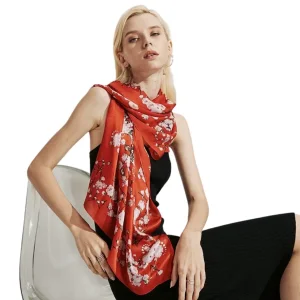
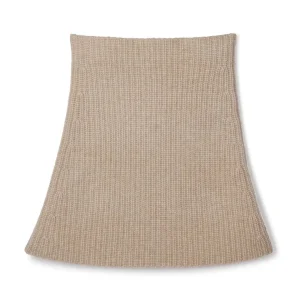
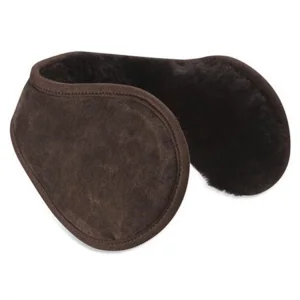
Explore our precision-engineered outerwear components, winter accessories, and customization-ready apparel designs built for premium international brands.
The modern apparel industry demands more than simple replication of patterns; it commands a synthesis of legacy craftsmanship, cutting-edge fabric technology, and reliable logistics. Within this paradigm, the Custom OEM Peacoat remains a core pillar of premium winter outerwear. Originating from 18th-century naval applications, the classic double-breasted peacoat has evolved from utilitarian wind protection to a high-end fashion statement. Today, B2B buyers—ranging from high-street fashion labels to corporate outfitters—require custom manufacturing capabilities that blend structural integrity, elegant design, and high-performance warmth.
The global business-to-business outerwear market is currently undergoing a massive transformation. Rapidly shifting consumer preferences, coupled with macroeconomic disruptions in raw material sourcing (such as fluctuating prices of Australian Merino wool and GRS-certified recycled fibers), have pressured brands to seek factory partnerships that offer extreme flexibility. Modern Peacoat Factories must act as end-to-end solutions providers, mitigating supply chain risks by maintaining robust inventory pipelines and integrating smart digital interfaces for direct collaboration.
To gain a competitive edge in today's search-optimized and consumer-driven marketplace, global fashion brands require clear, transparent, and authoritative information regarding factory certifications, technical skillsets, and raw material sourcing. Transitioning away from fragmented transaction processes, top-tier buyers look for strategic partners capable of providing "information gain"—highly precise documentation, technological roadmaps, and verifiable compliance data that support the buyer's own environmental, social, and governance (ESG) goals.
Wuxi U-Rare Fashion Co., Ltd. is a professional manufacturer and exporter specializing in high-quality fashion accessories and integrated outerwear coordination. With over 20 years of dedicated experience in OEM and ODM production, we have been serving customers across North America, Europe, Australia, and other key international markets. Over two decades, we have successfully established long-term partnerships with leading brands, retailers, and wholesalers worldwide, acting as a trusted backend powerhouse for high-demand product lines.
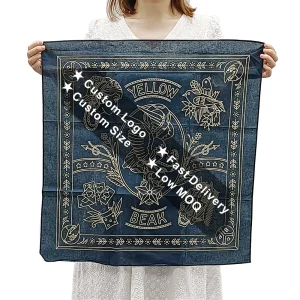
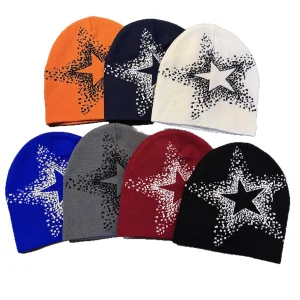
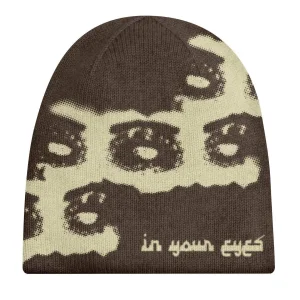
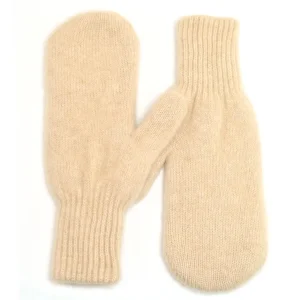
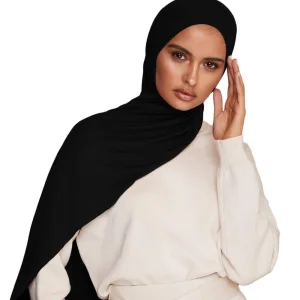
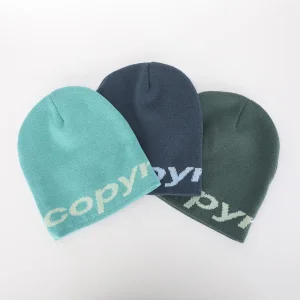
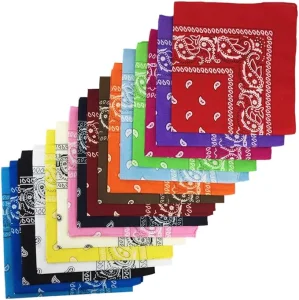
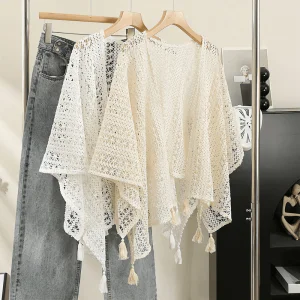
Our extensive product range includes scarves, shawls, wraps, foulards, bandanas, hats, gloves, ponchos, and premium fashion accessories tailored to match or elevate tailored garments like the classic Peacoat. We offer a wide variety of materials, including silk, cashmere, wool, cotton, linen, modal, viscose, acrylic, polyester, and various sustainable and eco-friendly fibers to meet the evolving needs of global consumers.
With a monthly production capacity of over 300,000 pieces, we are equipped with advanced manufacturing facilities and experienced technical teams. Our production capabilities cover a wide range of techniques, including screen printing, digital printing, double-sided printing, tie-dye, dip-dye, jacquard weaving, embroidery, hand knitting, machine knitting, and customized packaging solutions. This versatility allows us to deliver fully integrated product packages, ensuring that a brand's custom peacoat line is matched perfectly with color-calibrated scarves, hats, and gloves.
Innovation and quality are at the core of our business. Our in-house design and development team creates more than 300 new styles every year, closely following international fashion trends and market demands. We continuously explore new materials, yarns, colors, patterns, and manufacturing techniques to help our customers develop unique and competitive products in their respective territories.
Our internal operations feature strict adherence to top-tier fabric assembly, precision cutting, state-of-the-art sewing processes, and extensive inspection runs.
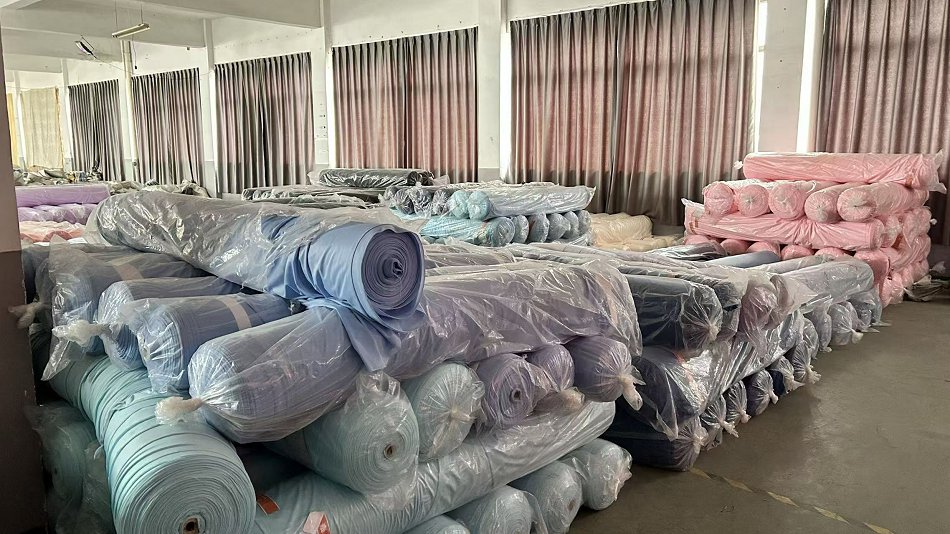
Strict quality screening of raw textiles, verifying thread counts, wool densities, cashmere soft-structure ratings, and colorfastness. This step prevents pilling and ensures high thermal insulation for custom outerwear lines.
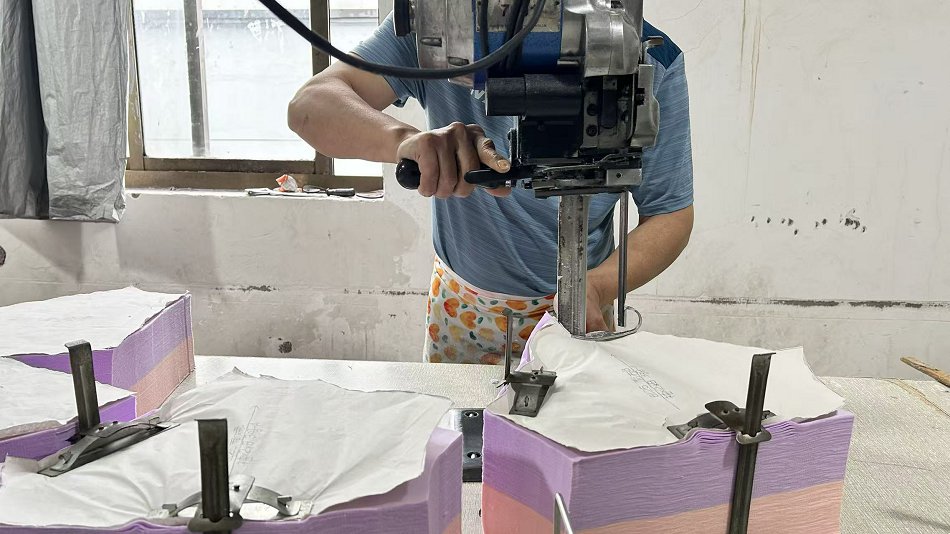
Utilizing CAD system plotting, the fabrics are aligned precisely to optimize material yields. Minimizing textile waste aligns directly with international eco-friendly and sustainable manufacturing requirements.
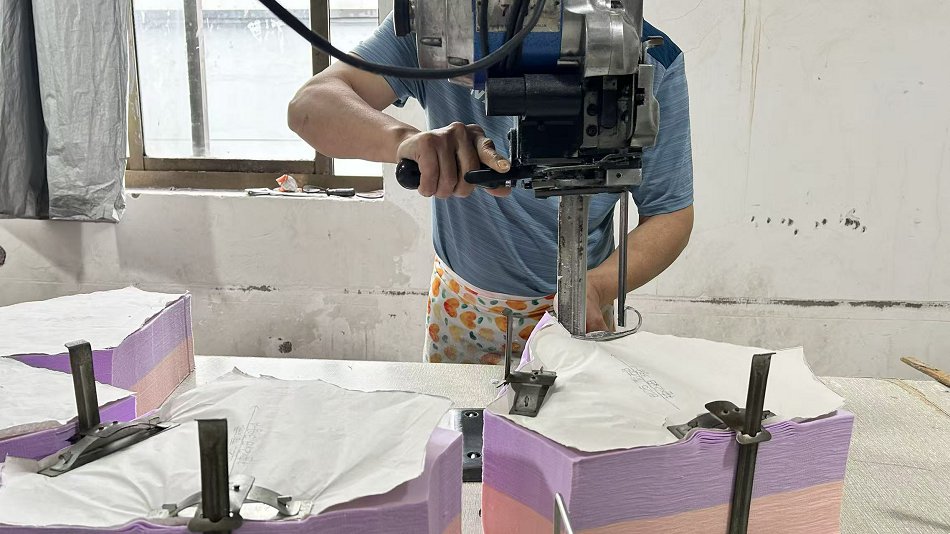
High-precision blade machinery executes the programmed pattern dimensions. Clean cut edges are critical for maintaining tight seam margins during the subsequent sewing and structuring stages.
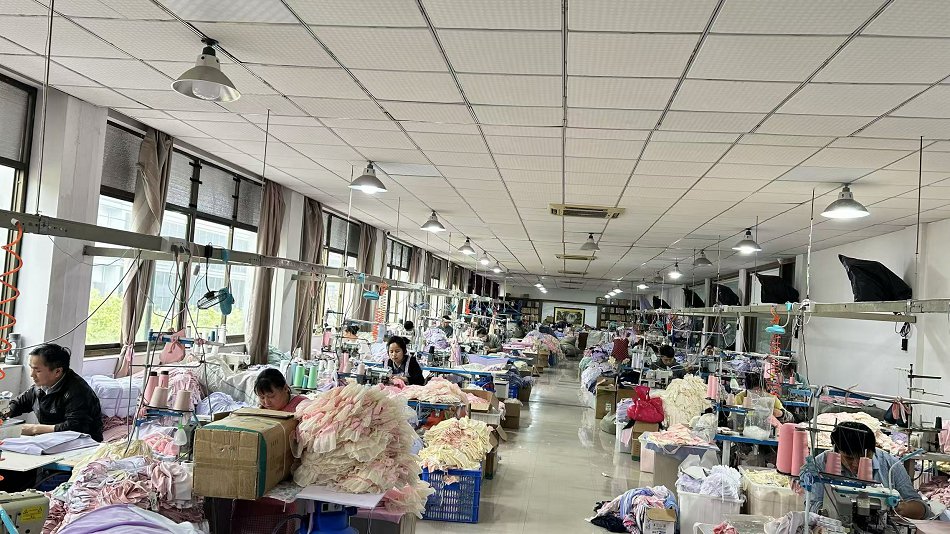
Adjusting advanced industrial machinery for specialized heavy-wool stitches. Needle tension, thread gauge, and stroke height are optimized to handle heavy-weight outer shells and interior silk/viscose linings.
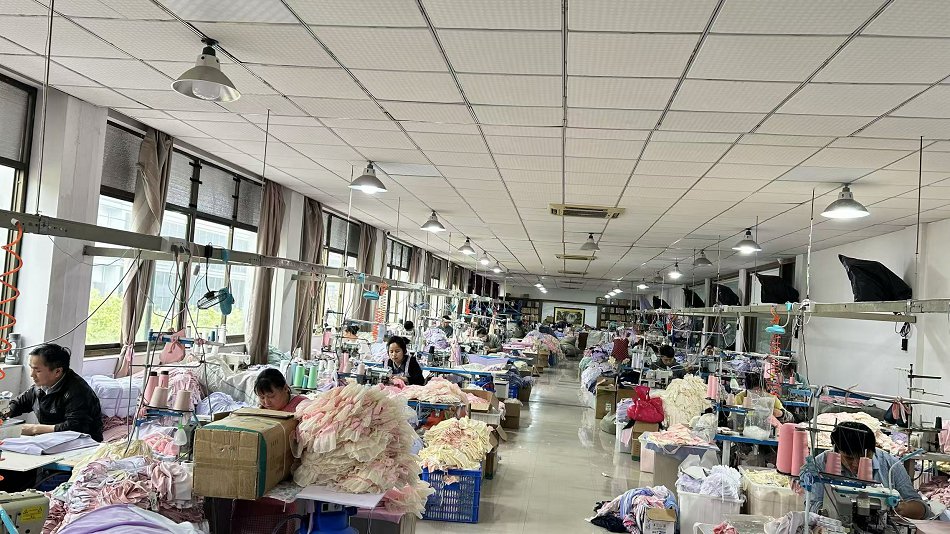
Expert technicians assemble the tailored panels. Double-breasted alignments, storm flaps, and high-wear areas receive structural reinforcement to guarantee long-lasting garment durability.
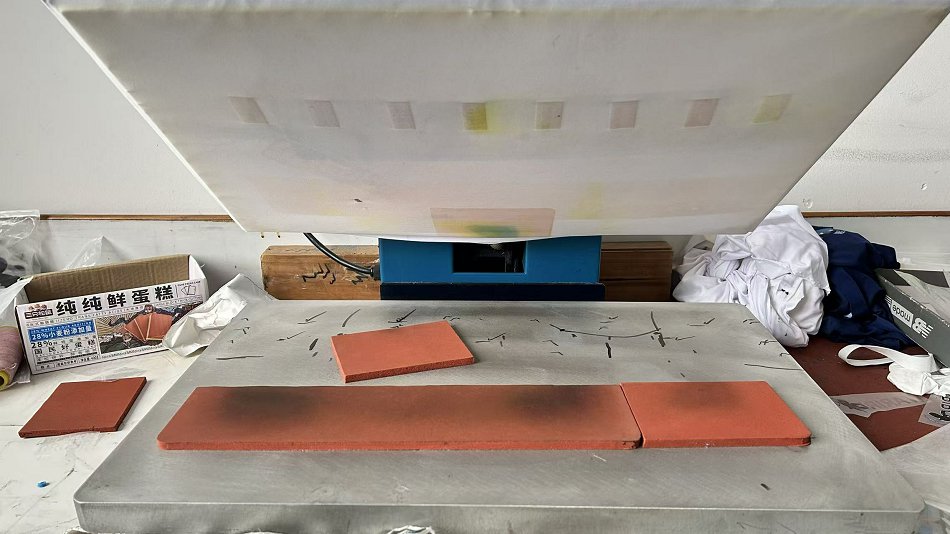
Applying custom labels, heat-seal brand identifiers, or specialized prints to back yokes or interior security pockets. Ensures clear brand identity with a high-resistance finish that withstands dry cleaning.
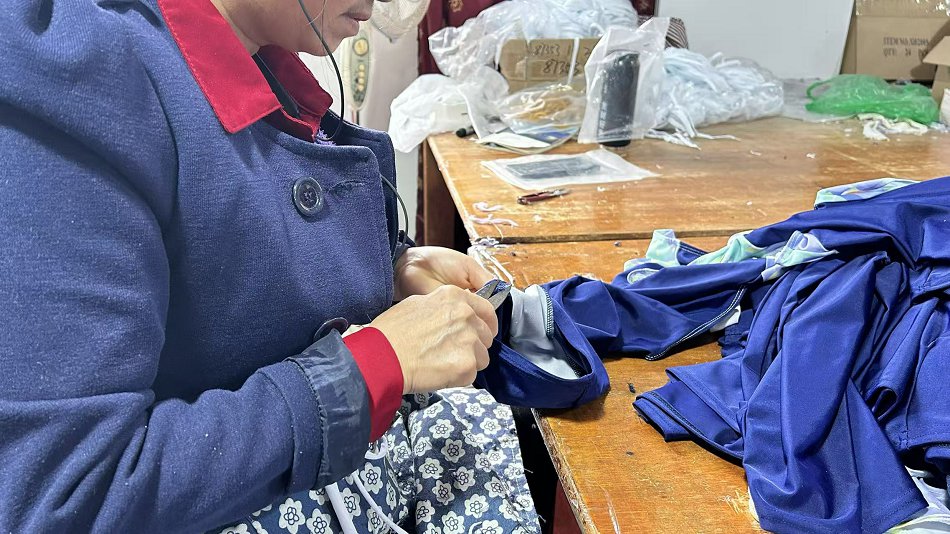
Post-sewing inspection focuses on extracting micro-threads and ensuring clean seams. This detail preserves a clean aesthetic profile on all buttonholes, collars, and cuff linings.
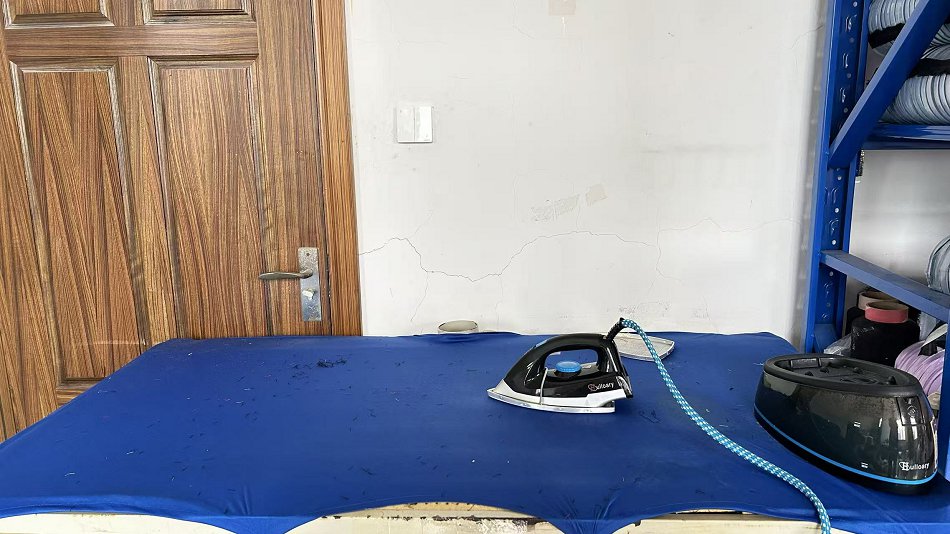
High-pressure steam-shaping gives the peacoat its iconic structural drape and silhouette. Collar lapels are pressed to custom specifications, giving them a crisp, premium form.
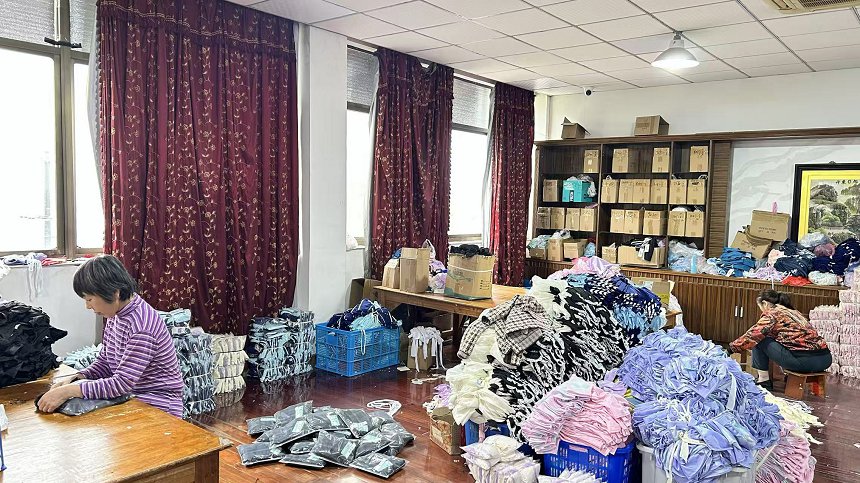
Every finished coat undergoes visual inspection, measurement audits, and metal detection. Approved garments are then wrapped in moisture-repelling protective bags, keeping them ready for shelf display.
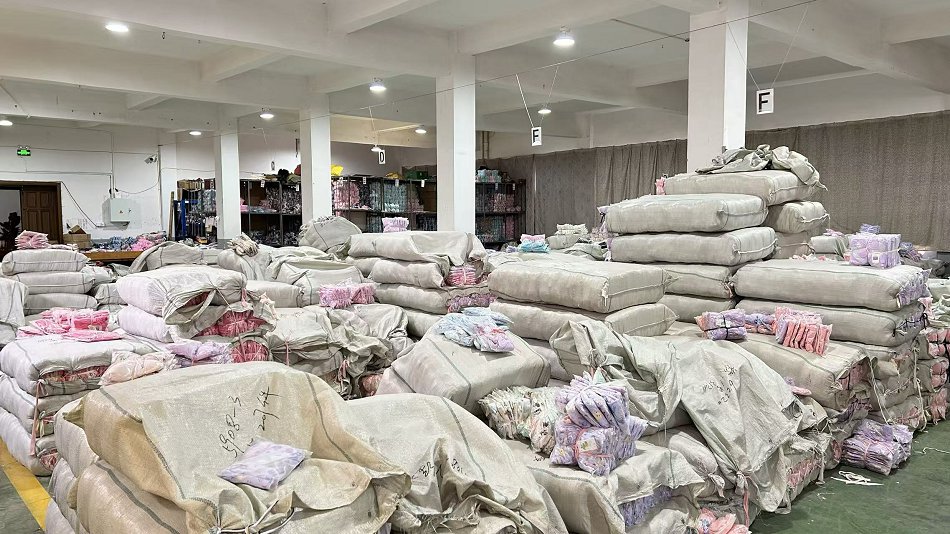
Garments are housed in climate-regulated warehousing. Temperature and humidity tracking systems prevent dampness, preserve premium wool and cashmere blends, and guarantee that shipments arrive in pristine retail condition.
For international apparel procurement officers, maintaining compliance with regional environmental and social regulations is not negotiable. Wuxi U-Rare Fashion Co., Ltd. continuously monitors updates to the European REACH regulations, US CPSIA standards, and OEKO-TEX Standard 100 protocols to ensure that our materials and dyes remain safe and non-toxic. Our sourcing network prioritizes Global Recycled Standard (GRS) certifications for polyester fillings and blended linings, allowing brands to proudly market their items as eco-conscious.
A professional custom peacoat line must adapt to different regional climates and consumer preferences.
As we look toward the future, the integration of AI-driven pattern optimization and automated sewing machinery represents the next frontier in apparel manufacture. At Wuxi U-Rare, we are researching smart fabric nesting software that uses artificial intelligence to scan raw textiles for minor defects before cutting, dynamically adjusting the pattern layouts in real-time. This increases fabric efficiency, reduces waste, and lowers overall production costs for high-volume orders.
Furthermore, digital 3D apparel sampling is reshaping B2B ODM processes. Rather than waiting weeks for physical prototype iterations, design teams can view digital renderings of custom peacoats, test stitch stress lines, and preview draping properties virtually. This decreases prototyping lead times by up to 70%, allowing fashion brands to capitalize on micro-trends and bring seasonal lines to market with speed and confidence.
Get quick answers regarding custom fabrication, minimum order volumes, compliance records, and logistics setups for international buyers.
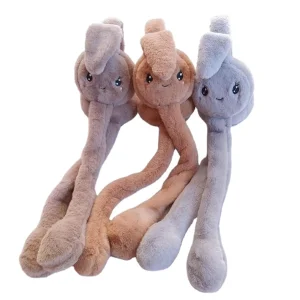
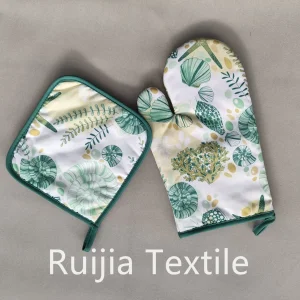
Select matching items to create a cohesive retail presentation alongside your custom peacoats and jackets.
 U-Rare Fashion