OEM/ODM Travel Bag Factories & Supplier

Deep-Dive Industry Whitepaper: Smart Sourcing, Sustainable Innovations, and Global Manufacturing Resilience

Executive Summary: The global travel bag industry is undergoing a paradigm shift driven by technological integration, evolving regulatory demands, and the critical need for supply chain resiliency. Corporate buyers, luggage brands, and wholesale importers no longer seek mere transactional suppliers. Instead, they demand partners capable of handling complex OEM/ODM projects, providing transparent traceability, executing advanced technical textile processes, and offering localization support. This whitepaper analyzes these shifts and details how modern manufacturers meet these expectations.

1. Core Manufacturer Capability & Strategic Evolution

Operating at the intersection of material science and high-precision manufacturing, Wuxi U-Rare Fashion Co., Ltd. represents the evolution of Chinese manufacturing from volume-based production to high-value, tech-enabled engineering solutions. With over 20 years of robust experience in OEM and ODM execution, the enterprise has established structural supply channels across North America, Europe, Australia, and Asia-Pacific.

By integrating advanced manufacturing facilities with an agile supply network, U-Rare maintains a monthly production capacity exceeding 300,000 pieces. This scale is achieved through automated processing pipelines, advanced digital printing architectures, dual-sided printing apparatuses, precision tie-dye and dip-dye technology, and specialized sewing structures.

Originally recognized as an industry leader in specialized fashion accessories, lifestyle textiles, and premium soft goods, the enterprise has successfully transitioned its core sewing, assembly, and thermal lamination expertise into the technical travel bag vertical. By combining material science—utilizing silk, cashmere, technical wool, organic cotton, and eco-friendly synthetic polymers—with structural product engineering, the company provides end-to-end design and manufacturing solutions for rugged, high-performance travel gear, lifestyle packs, and functional utility bags.

20+
Years Industry Expertise
300k+
Monthly Unit Capacity
300+
New Yearly Designs
100%
Quality Assurance Inspected

2. China Factory 4.0: Supply Chain Resilience & Process Mastery

The modern manufacturing facility is a data-driven ecosystem. The concept of "Factory 4.0" is not merely about automation; it is about absolute synchronization between raw material acquisition, computerized cutting, digital printing, skilled manual assembly, and multi-tier quality control. By leveraging digital architectures, Wuxi U-Rare ensures that every phase of the production cycle is tracked and optimized, mitigating bottleneck risks and securing high-yield outputs.

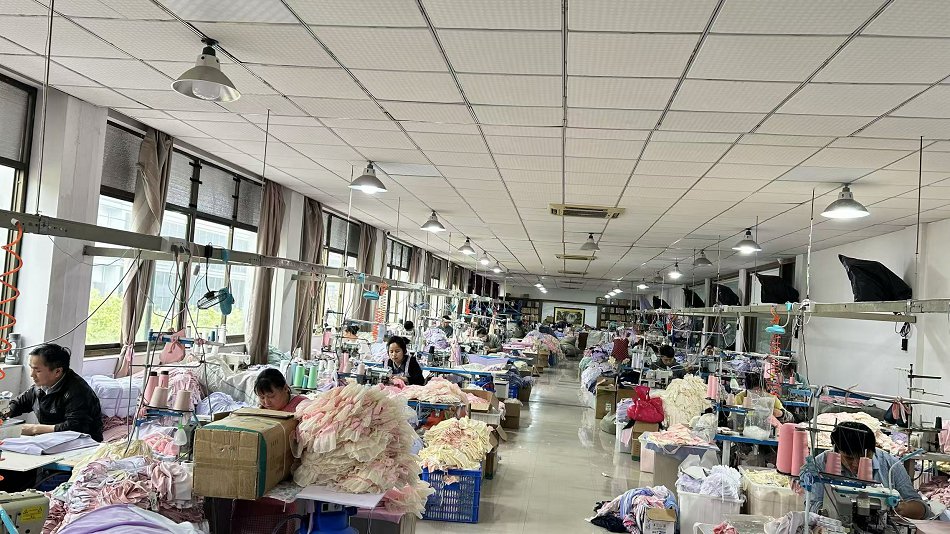
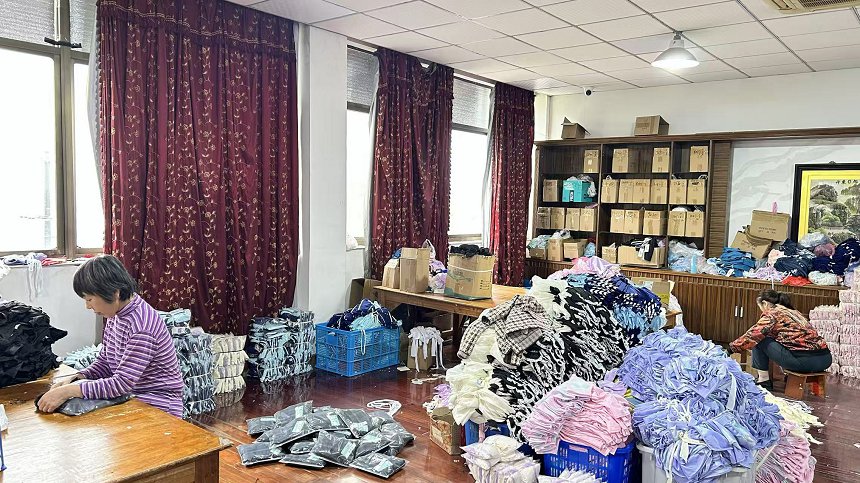
The physical layout of the manufacturing plant is optimized to reduce lead times and maximize labor efficiency. From raw textile preparation to thermal lamination and final export packaging, the assembly process moves through tightly regulated phases.
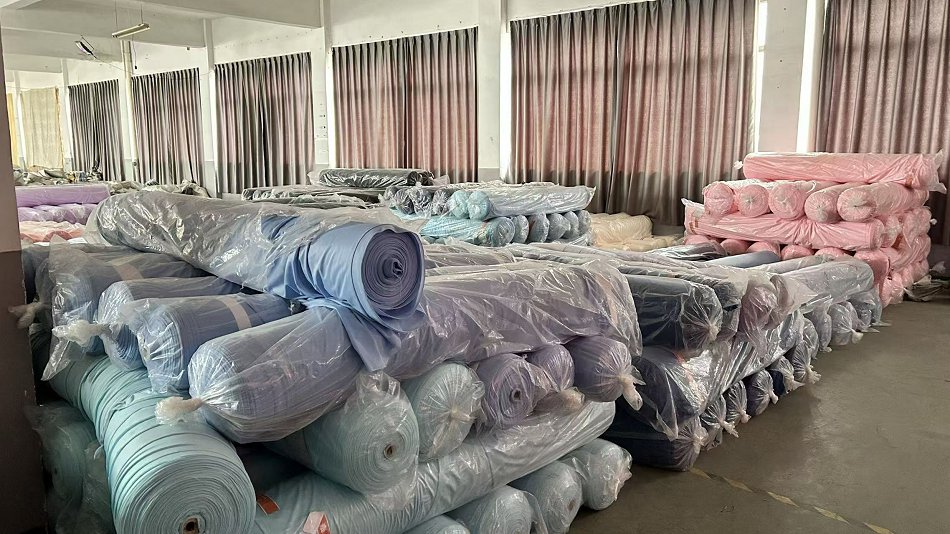
Raw Materials Inspection Unit
Raw Materials
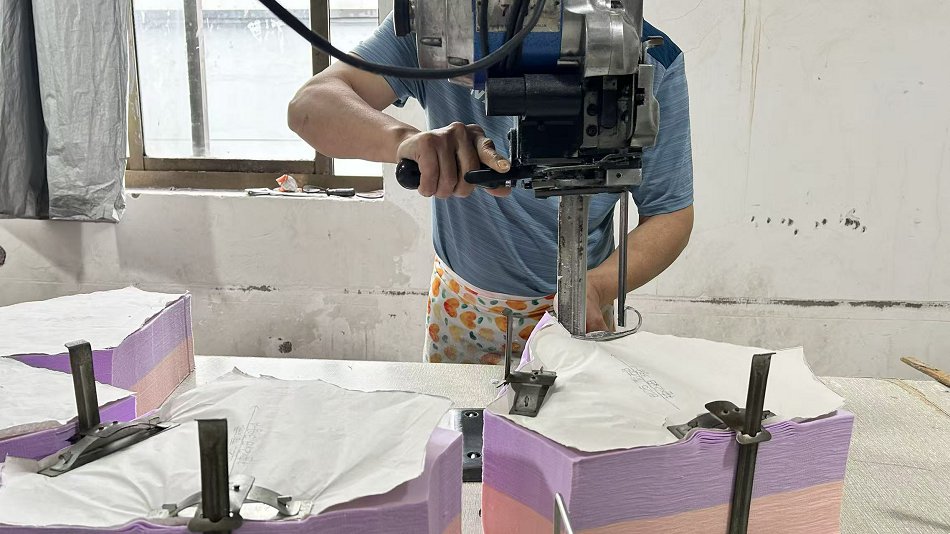
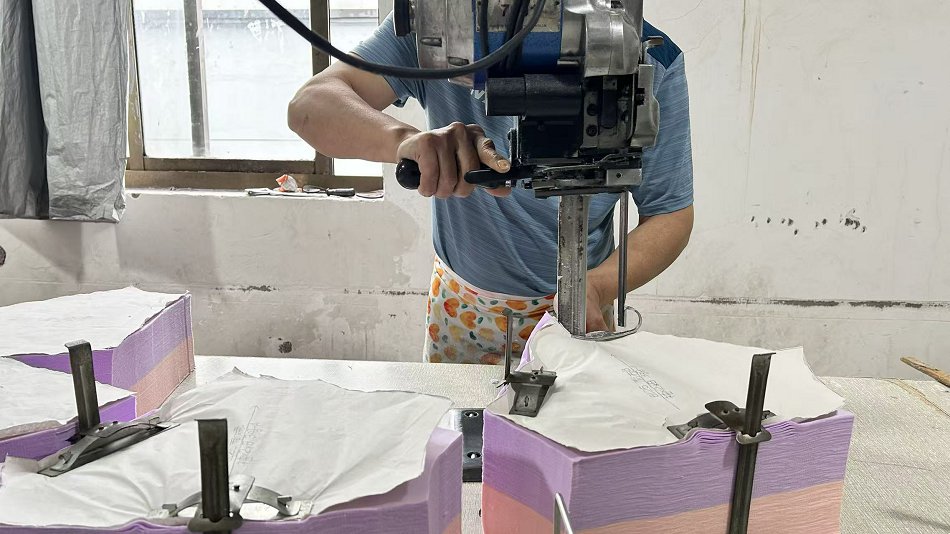
Precision Fabric Cutting Phase
Cutting
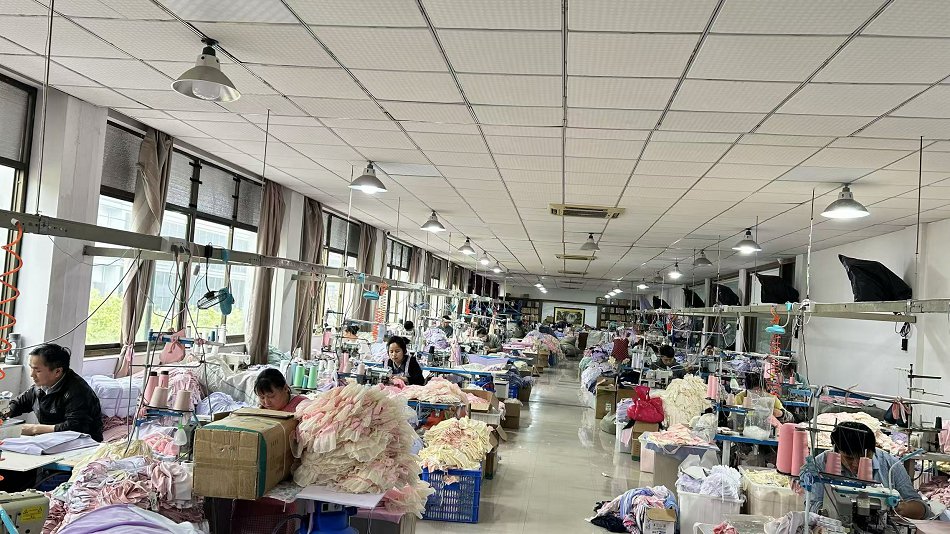
Industrial Sewing Line
Sewing
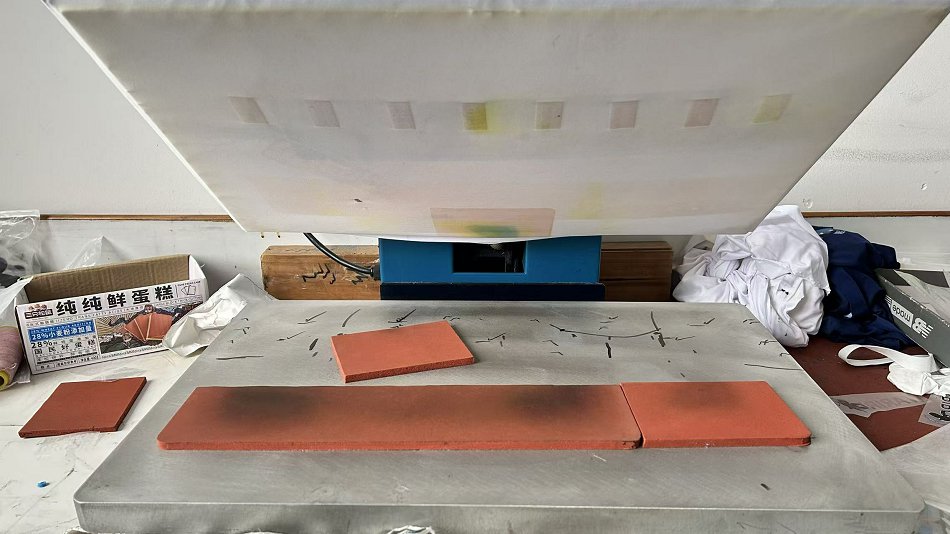
Thermal Transfer Printing Technology
Thermal Transfer Printing
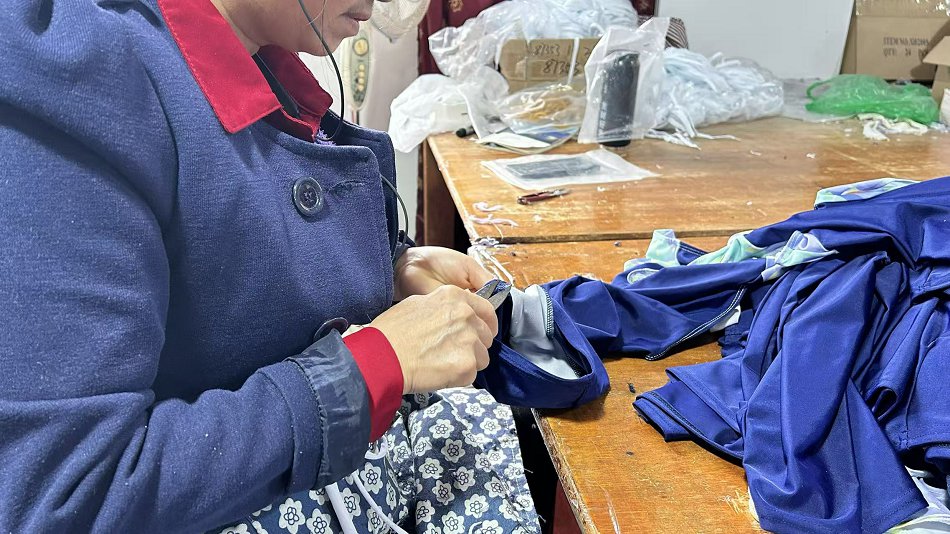
Manual Thread Trimming and Detailing
Trimming Thread
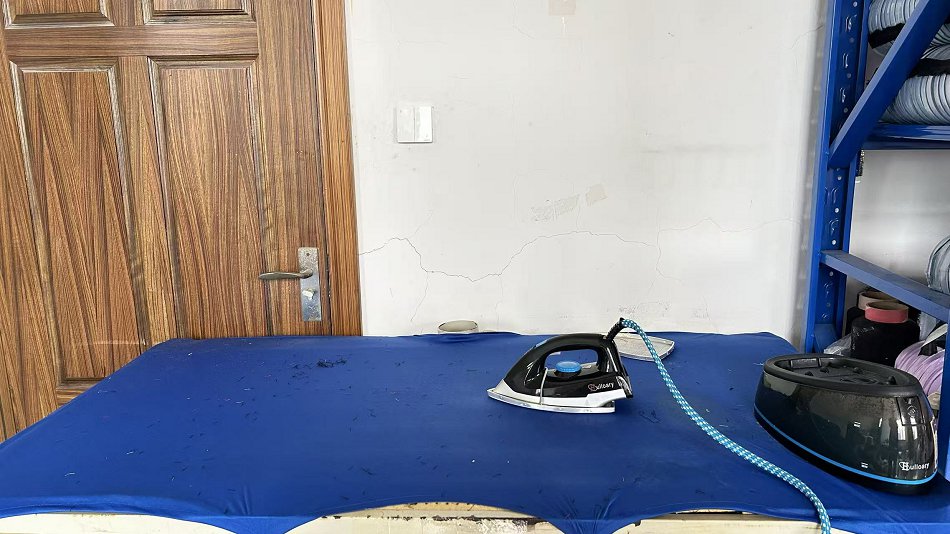
High-Pressure Steam Ironing Station
Ironing
Final Product Inspection And Packing
Inspection & Packing
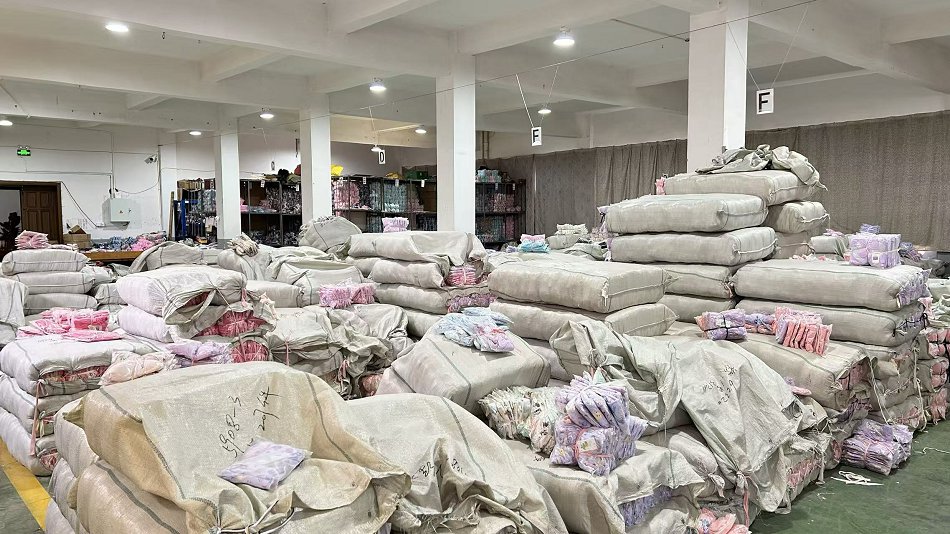
Secure Climate-Controlled Storage
Storage
Heavy-Duty Automated Cutting Bed
Cutting Bed
Programmable Sewing Machines
Sewing Machine

3. Technical Roadmap & Future Outlook of Travel Bag Design

The future of utility luggage lies in the hybridization of tech-integration and material circularity. As global travel patterns shift toward multi-modal transit and hybrid work models, the design architectures of travel bags are evolving along three technical trajectories:

🌱
Material Circularity & GRS Fabrics
Transitioning to 100% Recycled PET (rPET) matrices, ocean-bound plastic synthetics, and biodegradable polymer backings. Water repellency is engineered using fluorine-free C0 DWR coatings, ensuring hydrophobic properties without environmental contamination.
🔋
IoT Integration & Security Elements
Incorporating passive RFID-blocking structural linings, integrated solar arrays for low-profile charging, and localized biometric locks compatible with TSA mandates. Wireless charging sleeves protect devices from mechanical shock and electrostatic discharge.
🎒
Ergonomic Load-Distribution
Utilizing 3D-molded EVA back panels with integrated ventilation channels. Shoulder harness systems use dual-density foam to reduce muscle strain and distribute weight across the body's center of gravity.

4. Macro Industry Solutions: Aligning Sourcing with Global SCM Demands

Modern procurement requires customized product configurations tailored to specific corporate initiatives and logistics pathways. B2B clients operate within tight budgets, rigid delivery timelines, and strict carbon accounting guidelines.

To address these pressures, modern ODM/OEM partners must integrate their manufacturing planning with their clients' Supply Chain Management (SCM) platforms. This includes offering customized packaging solutions to minimize volumetric shipping costs, employing real-time cargo tracking, and maintaining modular material inventories. By keeping raw fabrics, hardware, and accessories readily available, manufacturers can reduce turnaround times for high-volume orders.

Additionally, custom brand positioning relies on precise finishing options. Whether utilizing technical digital printing for retail lines, durable embroidery for promotional goods, or clean debossing on leather accents, the modern factory must offer diverse customization techniques under one roof. This minimizes supply chain fragmentation and guarantees aesthetic consistency across all products.

5. Localization Support, Chemical Compliance & Global Certifications

Shipping functional travel bags and textile accessories across international borders requires strict compliance with regional safety, labor, and chemical regulations. A reputable factory must maintain standard industry credentials to guarantee friction-free customs clearance and safeguard brand reputation.

Chemical and Material Safety Standards: Every material shipment undergoes laboratory verification to comply with chemical restriction laws:

  • EU REACH & Oeko-Tex Standard 100: Prohibits the use of hazardous azo dyes, heavy metals, and phthalates in fabrics and metal hardware.
  • California Proposition 65: Verifies that all components, including PVC coatings and zipper pulls, remain within safe exposure limits.
  • BSCI & SMETA Audits: Certifies ethical labor conditions, fair compensation, and safe working environments at all production sites.

6. Global Enterprise Procurement Sourcing Checklist

For supply chain managers, purchasing agents, and product managers sourcing OEM/ODM travel bag services, checking supplier capabilities against a strict matrix is crucial. Below is the recommended technical verification framework:

  • Design Integration: Does the supplier provide native CAD/3D rendering support to speed up prototyping?
  • Structural Quality: Does the factory utilize automated sewing systems, computerized cutting machines, and reinforced bar-tack stitching at load-bearing points?
  • Raw Material Traceability: Can the supplier provide certified documentation for recycled polymers and eco-friendly fabrics?
  • Testing Facilities: Are products tested in-house or via third-party labs for tensile strength, colorfastness, zipper durability, and seam resistance?

7. Expert Q&A: Navigating Technical OEM/ODM Sourcing

Q1: What are the primary differences in sourcing travel bag materials?
A1: Material selection directly impacts product lifecycle and performance. Sourcing utilizes specialized Nylon (such as 1680D Ballistic or Cordura) for maximum abrasion resistance, Polyester (600D/900D) for budget-friendly prints, and rPET for eco-conscious lines. TPU and PU coatings provide water resistance, while traditional PVC-free backings ensure compliance with REACH and Prop 65.
Q2: How do you manage lead times and MOQ targets for complex orders?
A2: Minimum Order Quantities (MOQs) typically range from 500 to 1,000 units per style, depending on fabric availability. By stocking raw materials and using digital cutting systems, we shorten pre-production sample times to 5–7 days, with bulk production cycles taking 30–45 days.
Q3: What quality control protocols are implemented at Wuxi U-Rare?
A3: Our quality control runs throughout the entire production cycle. Raw textiles are tested for tensile strength and colorfastness. Cutting accuracy is checked using automated systems. Final products undergo tension testing at stress points, zipper cycle tests, and clean trimming inspections before packing.
Q4: How do you support customized packaging and direct-to-warehouse delivery?
A4: We offer comprehensive packaging options, including recycled card stocks, custom polybags, and retail display cartons. We coordinate logistics directly with freight forwarders for FOB, CIF, or DDP delivery, including direct shipment to Amazon FBA or enterprise distribution hubs.