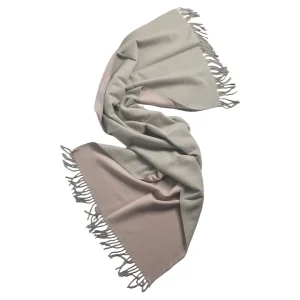
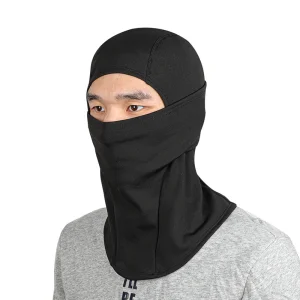
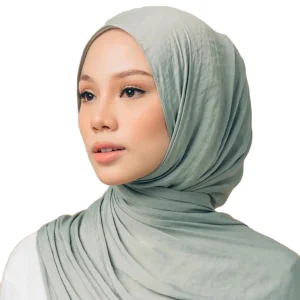
Explore our highly-regarded portfolio of lifestyle accessories, customized gear, and high-performance engineering items engineered for international markets.
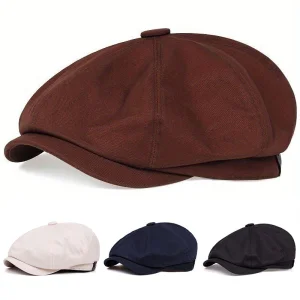
Analyzing the paradigm shift in micro-mobility carrying solutions, technical materials, and consumer-demand variables shaping the modern urban carry sector.
The global container and carrying accessories market has undergone a significant architectural transformation over the past decade. Previously dominated by classic double-strap backpacks and briefcases, the rise of urban micromobility, remote working styles, and minimalist daily carries (Everyday Carry - EDC) has pushed the sling bag (often referred to as a cross-body bag or chest pack) to the forefront of the soft-goods industry. According to recent industrial market reports, the tactical and technical lifestyle bag sector is expanding at a Compound Annual Growth Rate (CAGR) of 6.8%, driven by a demographic of urban commuters, modern travelers, and outdoor enthusiasts who prioritize accessibility, security, and ergonomic load distribution.
A sling bag is defined by its single-strap diagonal carrying configuration, engineered for swift access to contents by sliding the pack from the user's back to the front without removing it. This structural configuration calls for rigorous manufacturing techniques. Sourcing agents and global product managers must look past basic aesthetics and delve deeply into the material integrity, hardware reliability, structural reinforcement, and assembly logistics offered by manufacturers in key production zones. Selecting the right original equipment manufacturer (OEM) or original design manufacturer (ODM) determines a product line's market positioning, lifespan, compliance profile, and ultimately, its capacity to win through information gain and user trust.
To establish a premium category, product developers must evaluate the internal engineering of the bags. Modern premium sling packs feature weather-resistant modular construction, layered with high-denier synthetics or sustainable textiles, and integrated with anti-theft mechanisms, RFID-blocking barriers, and custom molded organization pockets. The manufacturing partner's primary role is to execute complex material laminations, implement durable stitching patterns (such as reinforced box-stitches at strap connection anchors), and navigate the tolerances required for waterproof zipper paths. The selection of raw materials directly reflects the brand's reliability and target market alignment.
How top-tier brands evaluate and audit suppliers beyond pricing to secure quality, social responsibility, and engineering capability.
In the highly competitive sewn-goods landscape, selecting a manufacturing partner based solely on the lowest cost per unit (FOB price) frequently leads to elevated defect rates, shipping delays, and brand damage. A sophisticated sourcing model measures factories on a matrix of mechanical and operational indicators:
Evaluating the factory’s ability to work with advanced fabrics: Cordura® Nylon, Ballistic Polyester, X-Pac laminated sails, and Recycled Polyethylene Terephthalate (RPET) with Global Recycled Standard (GRS) verification.
Ensuring compliance with top-tier hardware suppliers such as YKK® Aquaguard water-resistant zippers, Fidlock® magnetic buckles, and Duraflex® acetal buckles for safe quick-release actions.
Verification of internal piping, double-needle lockstitching, bar-tacking on stress points, and hydro-static pressure testing to guarantee waterproof capability in wet conditions.
Additionally, modern supply chains require dynamic social compliance and environmental governance. Facilities holding certifications such as BSCI (Business Social Compliance Initiative), SMETA (Sedex Members Ethical Trade Audit), and ISO 9001:2015 are better positioned to protect multi-national brands against supply chain disruptions and ethical controversies. When analyzing a prospective factory, asking for their Quality Manual and testing records for colorfastness, tearing strength, and chemical safety compliance (e.g., REACH, RoHS) is essential to establish reliable manufacturing partnerships.
"The true measure of a bag's manufacturing quality lies in the points of transition: where fabric meets zipper, where strap meets pack body, and where padding meets shell. Precision at these stress zones differentiates a premium consumer asset from a low-grade commodity." - Senior Sourcing Director, Urban Carry Logistics
Integrating 20+ years of high-performance textile engineering to deliver reliable accessory solutions worldwide.
A benchmark example of a comprehensive manufacturing partner operating in the high-quality fashion and lifestyle accessory sector is Wuxi U-Rare Fashion Co., Ltd. As an experienced manufacturer and exporter, the company has dedicated over 20 years to developing ODM and OEM workflows, catering to demanding brands across North America, Europe, Australia, and Asia-Pacific markets.
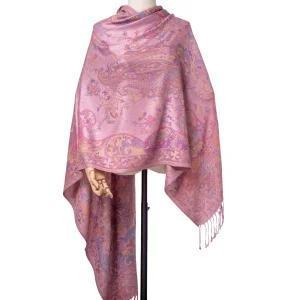
While the firm's foundational range spans high-end scarves, shawls, and premium headwear, their deep-domain mastery of raw materials—including cotton, wool, silk, engineered acrylic, polyester, and eco-friendly/sustainable blended yarns—provides a seamless platform for handling techwear soft goods and custom utility carriers. Wuxi U-Rare Fashion Co., Ltd. operates with a monthly capacity of over 300,000 finished pieces, backed by advanced manufacturing machinery, precision cutting technologies, and highly qualified technical teams.
Their operational strengths include:
An inside look at the detailed processes executed within our manufacturing facilities to ensure top-tier product output.
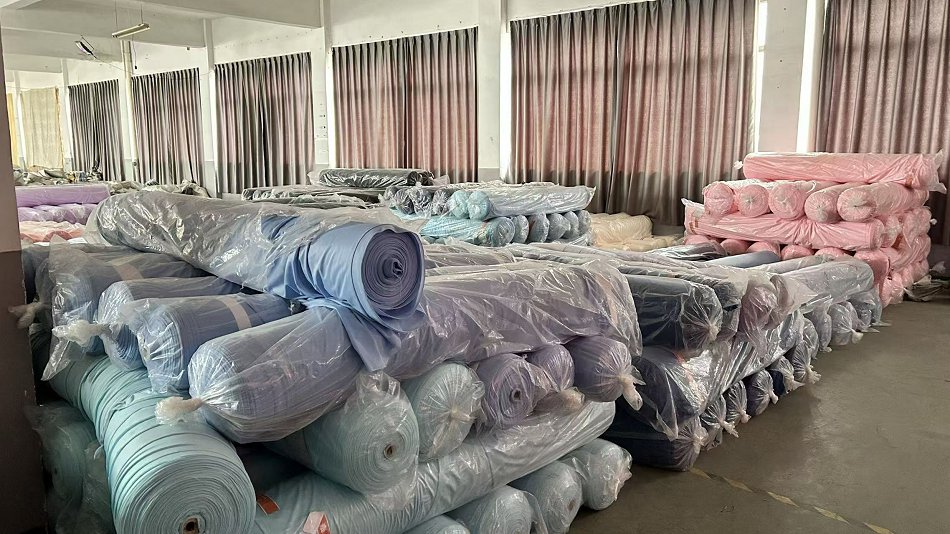
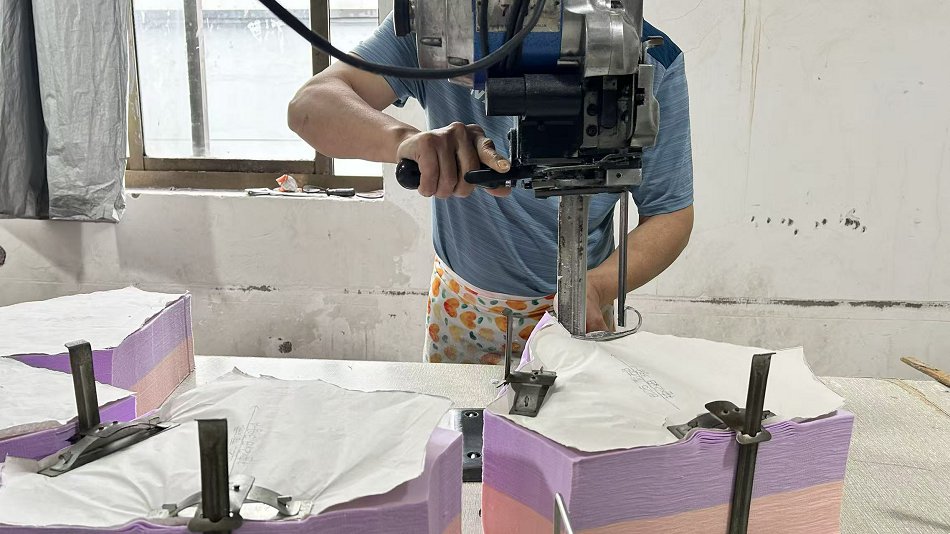
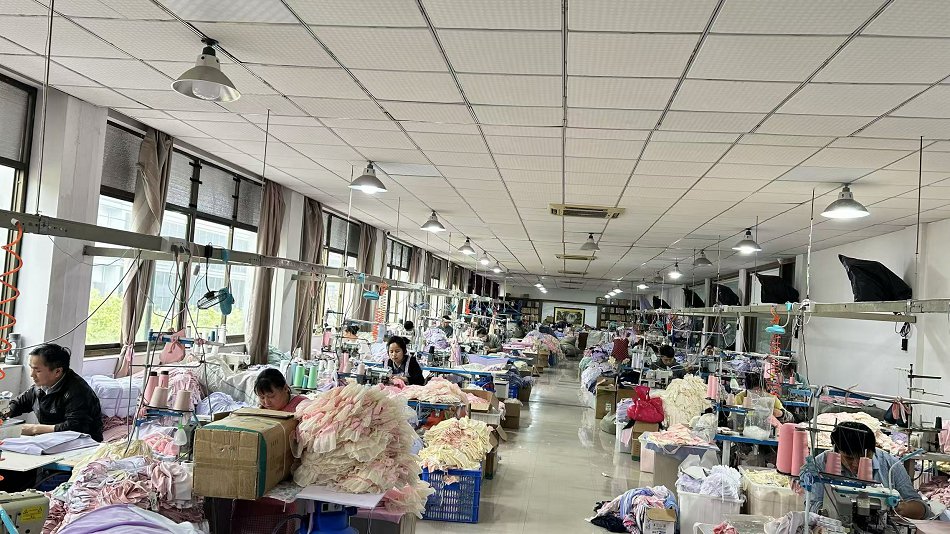
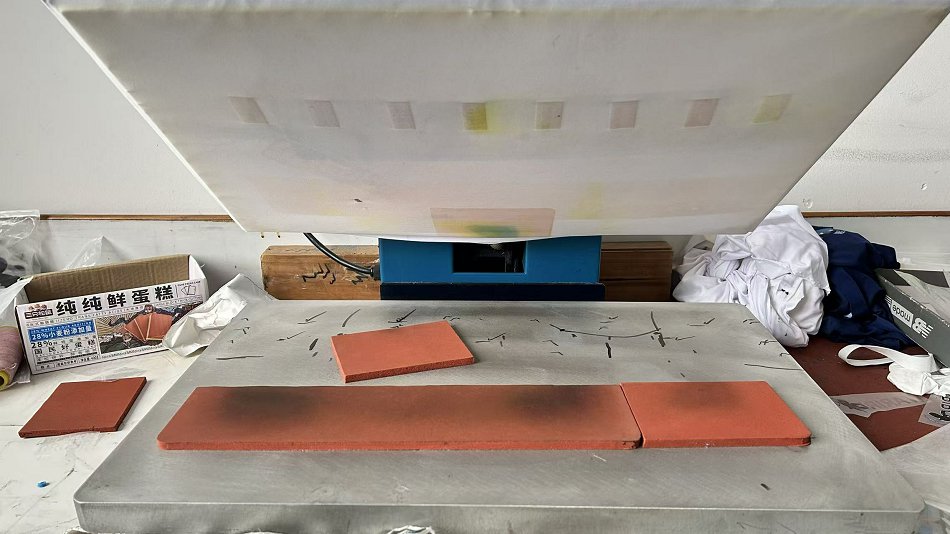
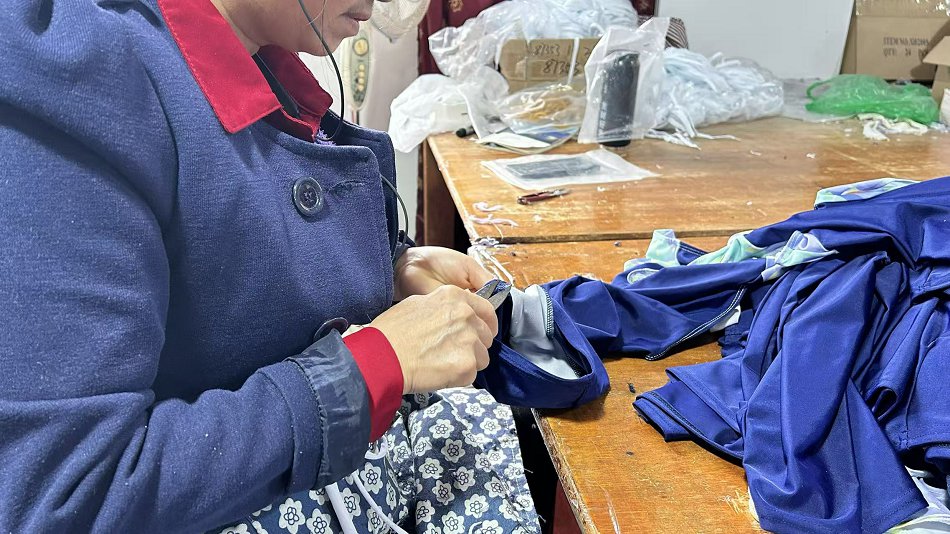
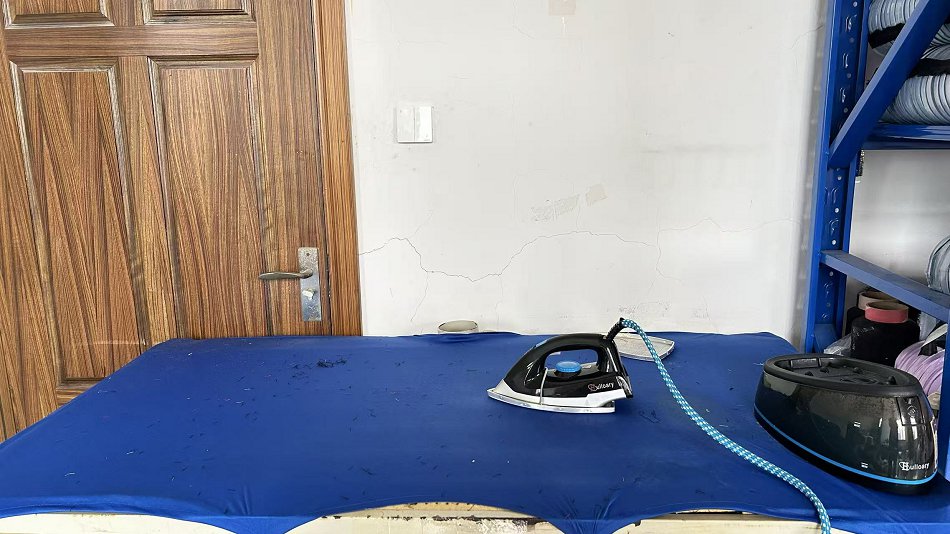
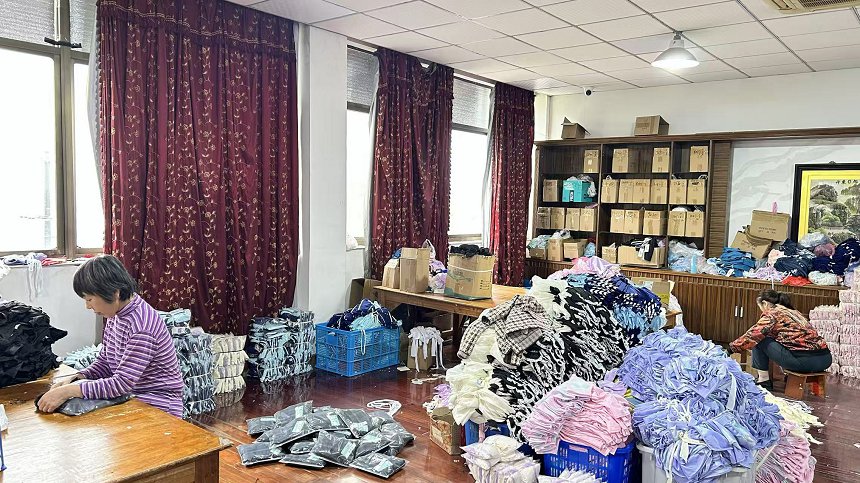
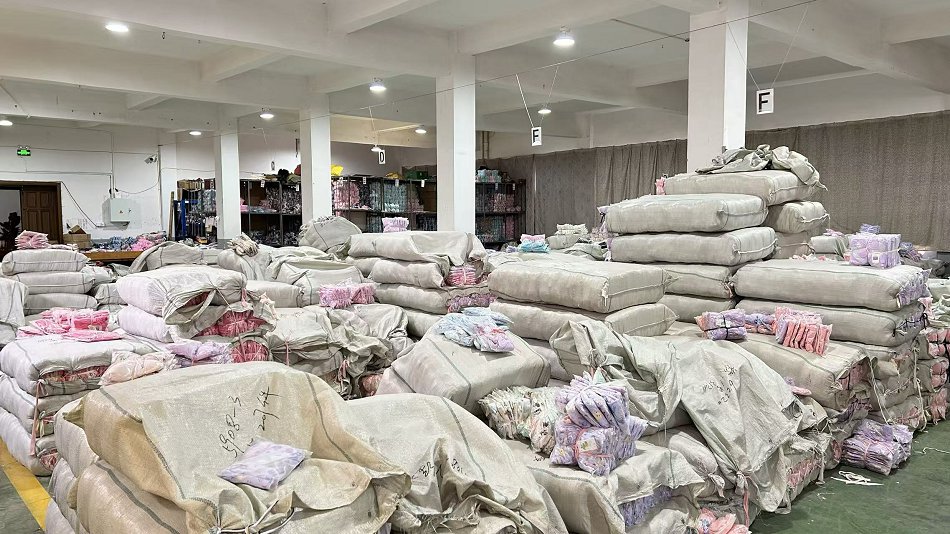
Analyzing key advancements driving the next generation of carry gear and soft goods manufacturing.
The manufacturing landscape for sling bags is evolving beyond traditional cut-and-sew operations, integrating advanced technology and green production processes. To help brands stay competitive, we highlight the core trends projected to define the next five years:
Sustainable design is shifting from a marketing checkbox to a compliance requirement. Leading global brands now require supply chains to utilize post-consumer waste fabrics, biodegradable coatings, and dope-dyed yarns that significantly reduce water consumption. Factories must adapt to processing organic materials, post-consumer ocean plastics, and carbon-neutral TPU membranes that retain their waterproof properties without using harmful PFCs.
The boundary between soft gear and consumer electronics is blurring. Tomorrow’s premium sling bags will integrate smart features directly into their fabric layout. This includes flexible solar panels for device charging, internal magnetic power routing, biometric locks for high-value compartments, and integrated RFID/NFC shielding to protect personal data. Manufacturers are developing special laminated pockets and heat-sealed channels to protect wiring and batteries from environmental damage.
To achieve clean designs and reliable waterproofing, top-tier factories are shifting from mechanical sewing threads to ultrasonic welding and high-frequency bonding. This approach eliminates the needle punctures that cause water leakage. It creates a seamless aesthetic that aligns with technical and modern urban design. As clean, technical aesthetics dominate the market, having access to these advanced bonding technologies is essential for modern product design.
An overview of the manufacturing hubs and supply structures driving global production in the active carry and fashion accessories market.
For sourcing departments identifying manufacturing partners, the international landscape is characterized by diverse manufacturing hubs, each offering unique strengths in technical precision, scale, or artisan craft. Understanding these regional capabilities helps streamline vendor selection:
1. South China Technical Hub (Guangdong & Fujian): The global hub for high-performance activewear and technical gear. These factories excel in processing performance synthetics, applying waterproof seals, and handling complex hardware assemblies like Fidlock buckles and high-frequency welding.
2. East China Premium Accessories Belt (Jiangsu & Zhejiang): Led by manufacturers like Wuxi U-Rare Fashion Co., Ltd., this region integrates premium soft-goods expertise, high-resolution printing, and jacquard weaving with advanced modern supply chains. They specialize in high-quality hybrid carries, lifestyle bags, and eco-friendly blended products.
3. Vietnam Scale Production Centers: Highly valued by US brands seeking duty-reduction pathways, Vietnam’s assembly lines are optimized for high-volume, reliable runs, utilizing imported materials for predictable quality control.
4. Taiwan Material R&D Specialization: The birthplace of advanced fabrics like Cordura and functional coatings. Taiwanese manufacturers typically focus on raw material innovation and high-end technical design.
5. Indonesia Assembly Hubs: Offering competitive labor structures, Indonesian manufacturing hubs are increasingly selected by major outdoor brands looking to diversify production bases in Southeast Asia.
6. India Cotton & Canvas Production: Specializing in natural fibers, India’s factories excel in organic canvas, heavy cotton duck, and traditional fabric blends, often aligned with artisan-style streetwear brands.
7. European Premium Artisan Houses (Italy & France): Focused on the luxury leather market, these facilities provide hand-stitched, high-end designs for fashion houses where unit cost is secondary to craftsmanship and brand heritage.
8. Turkey Regional Customization Hub: Serving the European market with rapid turnaround times, Turkish factories specialize in mid-to-high-tier fashion bags and customized promotional products.
9. Central America Nearshoring Facilities: Focused on serving the North American market, these factories offer shorter transit times, helping brands respond quickly to changing consumer demands.
10. South Korea Design Innovation Hubs: Specializing in sleek urban carry designs, Korean factories focus on clean aesthetics and integrated tech features for modern professionals.
Addressing the critical engineering, compliance, and design questions facing professional sourcing agents.
Waterproof performance is tested using two primary methods: the Hydrostatic Head Pressure Test (AATCC 127), which measures the pressure at which water penetrates the fabric under lab conditions, and the Rain Test (AATCC 35), which simulates real-world rainfall. For general urban commuters, a fabric rating of 1,000mm to 3,000mm is sufficient, while technical outdoor bags require 5,000mm to 10,000mm, supported by PU coatings and sealed seams.
Denier (D) indicates the linear mass density of fiber threads, representing the weight in grams of 9,000 meters of the fiber. A 1000D Cordura Nylon provides exceptional abrasion and tear resistance, making it ideal for tactical gear, but it is relatively heavy. Conversely, a 420D Ripstop Nylon or 600D Polyester offers a practical balance of lightweight handling and durability for daily urban use.
For customized OEM bag production, standard MOQs typically run between 500 to 1,000 units per style, depending on fabric dye minimums. However, factories like Wuxi U-Rare Fashion Co., Ltd. offer flexible sourcing options, leveraging digital printing and stock yarn programs to support emerging collections or custom brand capsule projects with lower entry barriers.
Standard coil zippers allow water to pass between the teeth. YKK Aquaguard zippers feature a laminated polyurethane (PU) backing that seals the zipper teeth, preventing moisture ingress and protecting internal electronics. This lamination requires specialized sewing tension and calibrated assembly lines to keep the zipper operating smoothly.
Importing into the US and European markets requires robust compliance documentation. The most critical certifications include the BSCI (Business Social Compliance Initiative) audit, SMETA (Sedex Members Ethical Trade Audit), OEKO-TEX Standard 100 for chemical safety in fabrics, and the Global Recycled Standard (GRS) for verified recycled polyester or nylon content.
Browse our verified range of lifestyle wraps, outdoor protection, and mechanical components designed for international distribution networks.
 U-Rare Fashion