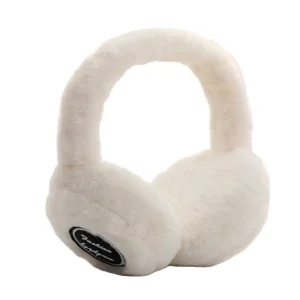
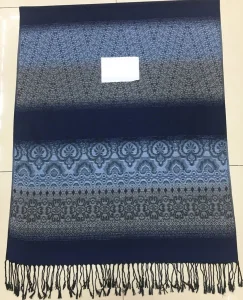
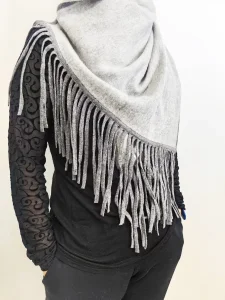
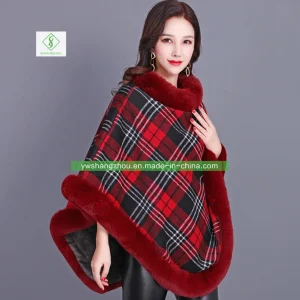
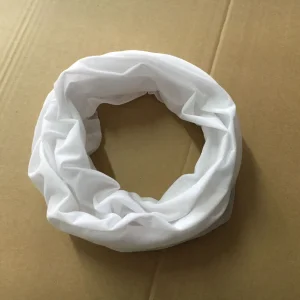
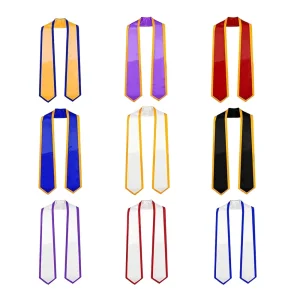
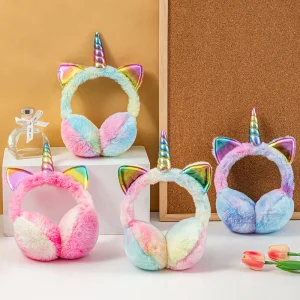
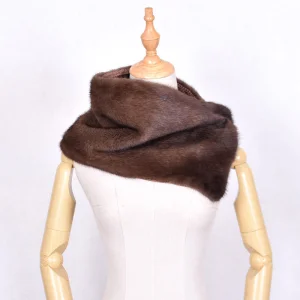
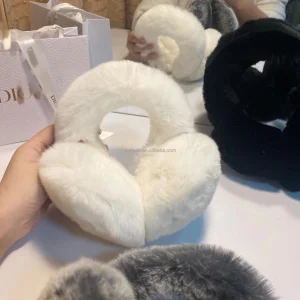
Explore our premium coordinate accessories catalog featuring high-grade craftsmanship for international buyers
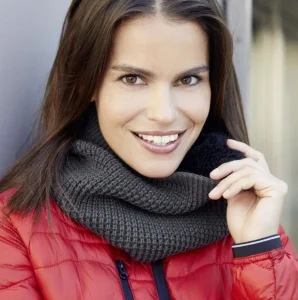
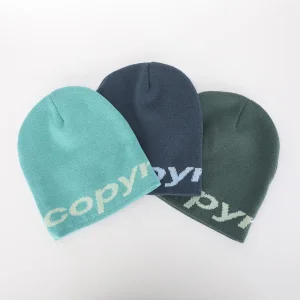
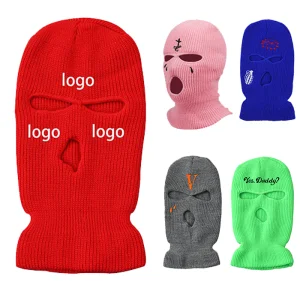
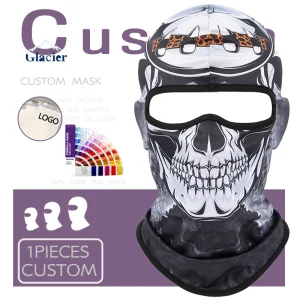
The global high-heel footwear market is projected to reach over $42 billion by 2030, registering a compounding annual growth rate (CAGR) of 4.8%. Today's global procurement model is undergoing a massive shift. High-end heel shoe sourcing is no longer viewed in isolation; international brands are aggressively executing a unified "Unified Fashion Sourcing" strategy. Leading fashion houses are integrating their heel shoe production networks with matching accessories—such as premium silk scarves, cashmeres, winter warmers, and headwear—to optimize color consistency, brand storytelling, and shipping consolidation.
Historically, footwear manufacturing clusters were localized in standard industrial zones, but today's market demands cross-category efficiency. Brands sourcing high heels in standard heights (from kitten heels of 3cm to extreme stilettos of 12cm) require complementary outerwear and textiles that sync with seasonal collections. This cross-commodity coordination ensures that design assets, leather/fabric dyes, and texture themes maintain consistency across all SKUs, elevating the overall brand value.
China remains the undisputed epicenter for high-quality fashion accessories and technical footwear sourcing. The primary driver is not merely cost, but the *industrial clustering effect*. Regions like Wuxi, Yiwu, and Wenzhou house vertically integrated supply chains that reduce the time-to-market by up to 45% compared to other emerging markets in South Asia.
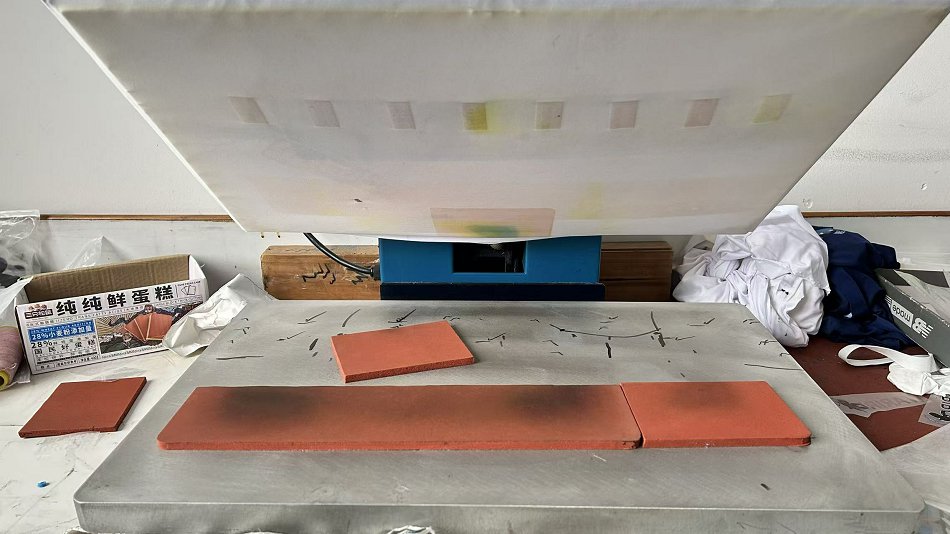
For instance, Wuxi's advanced textile capabilities allow manufacturers like Wuxi U-Rare Fashion Co., Ltd. to source high-grade raw fibers (silk, cashmere, premium acrylics, and sustainable eco-fibers) dynamically. Our factory combines screen printing, digital printing, double-sided printing, jacquard weaving, and advanced thermal transfer technologies. This provides footwear brands with a one-stop-shop for high-end packaging fabrics, lining materials, and custom matching scarves that are often sold as part of premium holiday sets.
Understanding user intent and search intent is critical. Buyers do not search for "heel shoes" or "scarves" in a vacuum; they search for products that solve real-life styling challenges in specific contexts. Here is how advanced manufacturers segment these scenarios:
We have identified three main vectors driving the evolution of this sector:
Global retailers must now comply with strict sustainability mandates like the EU's Corporate Sustainability Due Diligence Directive (CSDDD). Materials such as recycled polyester, organic cotton, linen, modal, and traceable RWS-certified wool are becoming standard. Progressive exporters have fully upgraded their yarn sourcing to include certified sustainable fibers.
AI-assisted CAD modeling is now utilized to minimize raw material wastage during the cutting phase. Advanced nesting software optimizes fabric utilization, reducing production overheads which are then passed on as cost savings to the B2B buyer.
To avoid high inventory carrying costs, major brands are turning away from massive single-item orders toward multi-variety, low-volume orders. A factory's ability to run flexible production lines—allowing split runs between digital printing and screen printing—is a key competitive advantage.
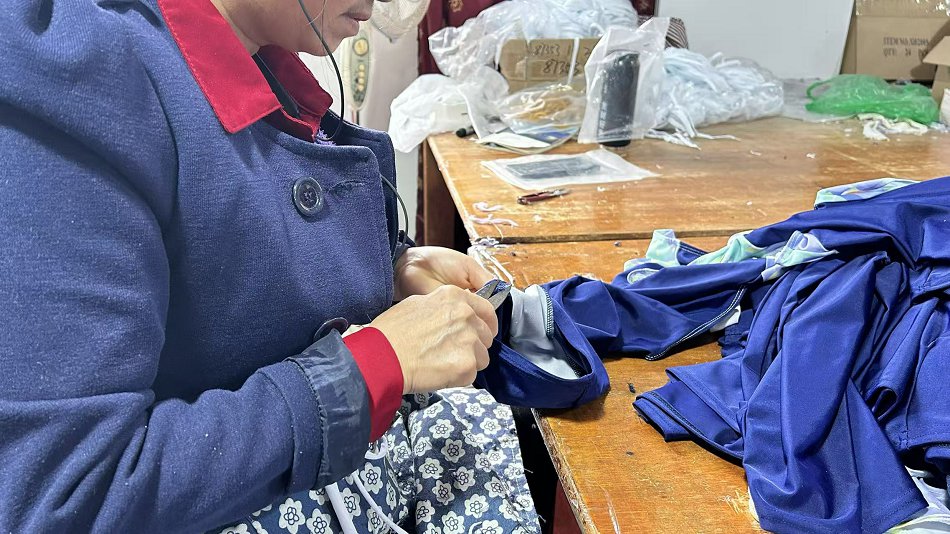
Transparent display of our ISO-compliant manufacturing lines and strict quality assurance checkpoints
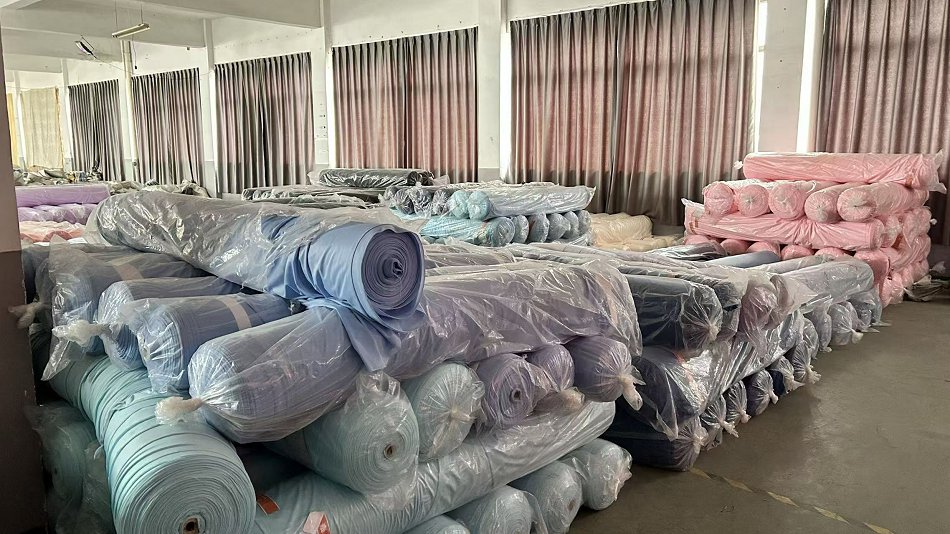
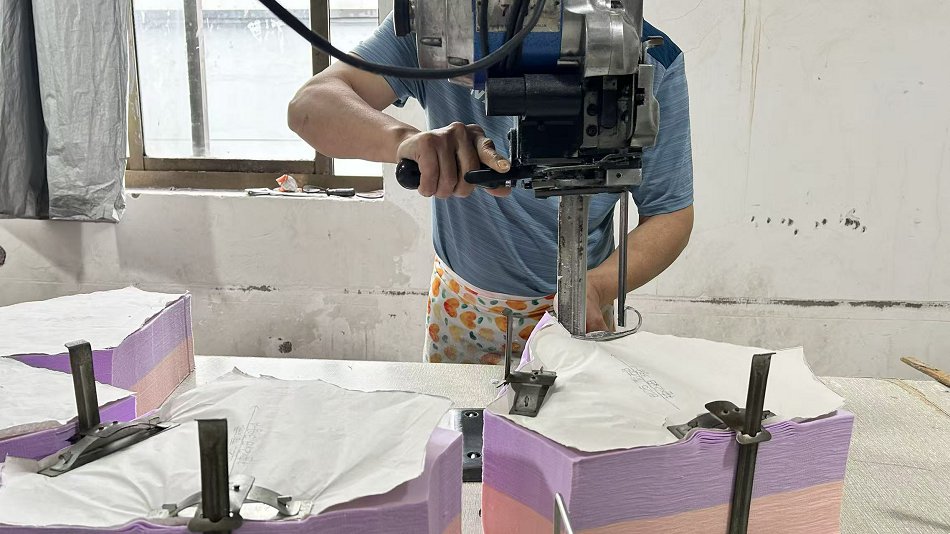
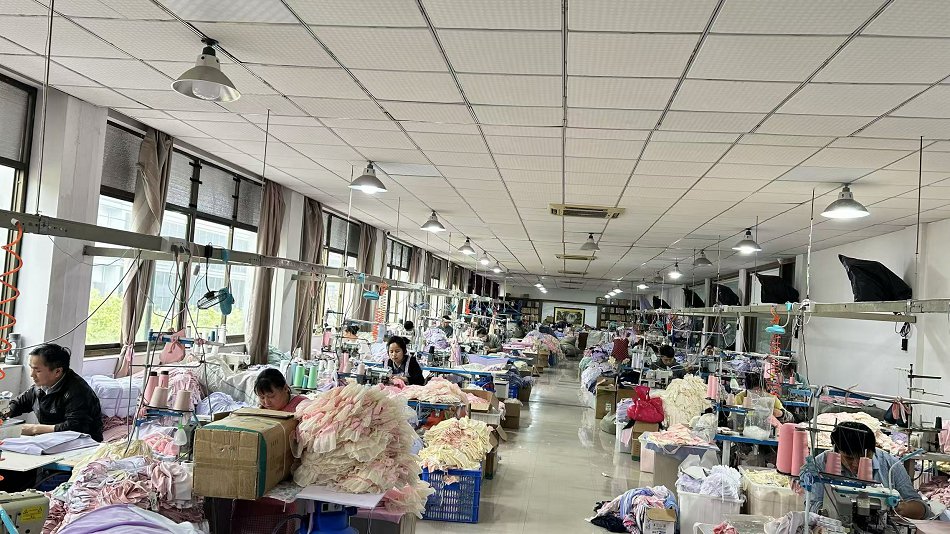
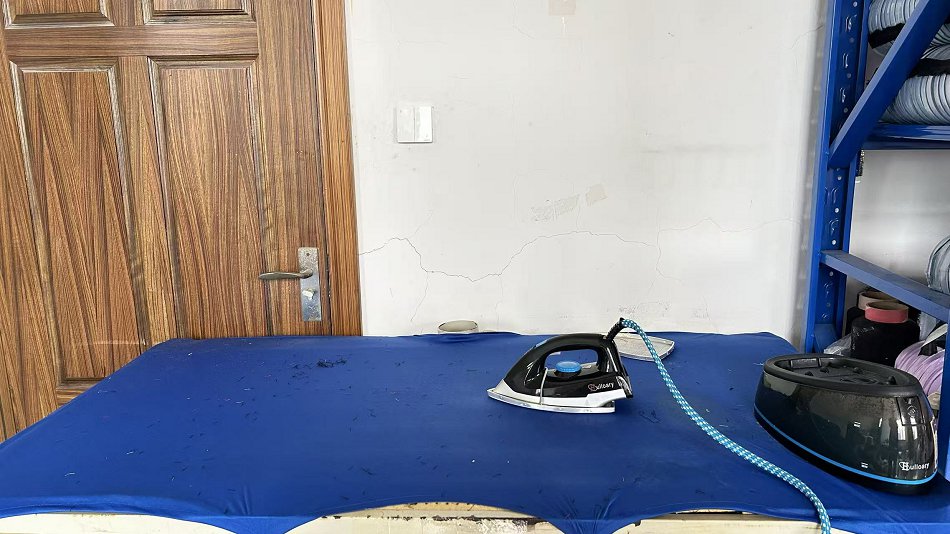
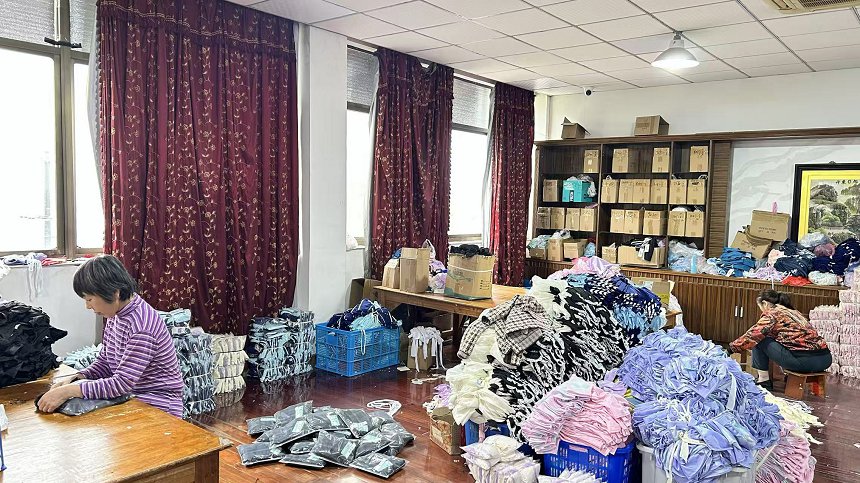
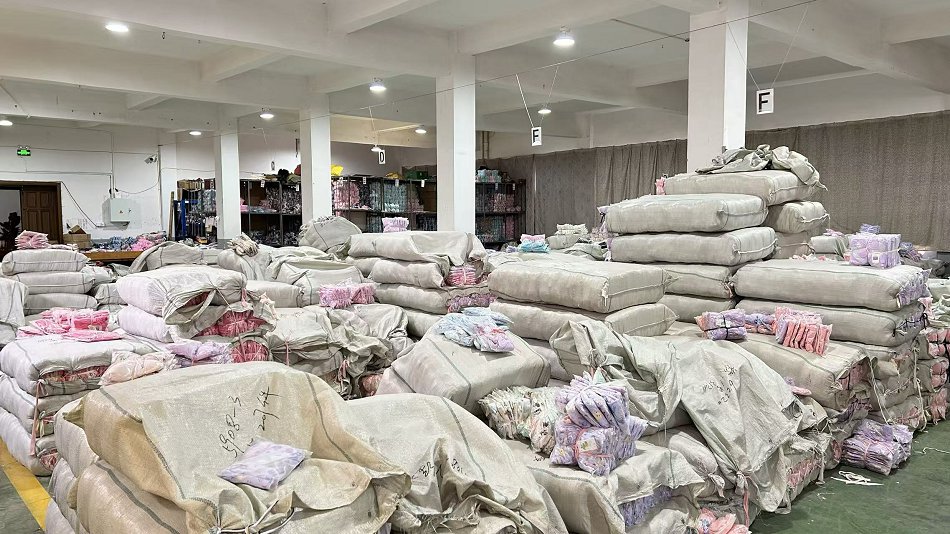
For procurement managers at major B2B apparel brands, selecting the right partner involves strict evaluation matrices. Here is an industry checklist for verifying potential suppliers:
Wuxi U-Rare Fashion Co., Ltd. is a premier manufacturer and exporter specializing in high-quality fashion accessories. With over 20 years of experience in OEM and ODM production, we have been serving customers across North America, Europe, Australia, and other international markets, building long-term partnerships with leading brands, retailers, and wholesalers worldwide.
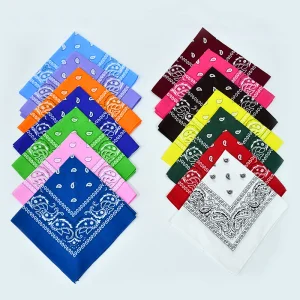
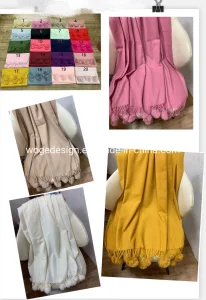
Our comprehensive product range includes scarves, shawls, wraps, foulards, bandanas, hats, gloves, ponchos, and other fashion accessories. We offer a wide variety of materials, including silk, cashmere, wool, cotton, linen, modal, viscose, acrylic, polyester, and various sustainable and eco-friendly fibers to meet the evolving needs of global consumers.
With a monthly production capacity of over 300,000 pieces, we are equipped with advanced manufacturing facilities and experienced technical teams. Our production capabilities cover a wide range of techniques, including screen printing, digital printing, double-sided printing, tie-dye, dip-dye, jacquard weaving, embroidery, hand knitting, machine knitting, and customized packaging solutions.
Innovation is at the core of our business. Our in-house design and development team creates more than 300 new styles every year, closely following international fashion trends and market demands. We continuously explore new materials, yarns, colors, patterns, and manufacturing techniques to help our customers develop unique and competitive products.
Quality is our top priority. We implement strict quality control procedures throughout the entire production process, from raw material sourcing to final inspection and shipment. Our professional QC team ensures that every product meets international quality standards and customer requirements, enabling us to satisfy the expectations of premium buyers worldwide.
Expert technical insights to streamline your supply chain and ordering logistics
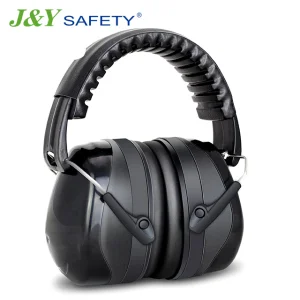
Discover matching winter earmuffs, custom bandanas, and fine satin graduation stoles
 U-Rare Fashion