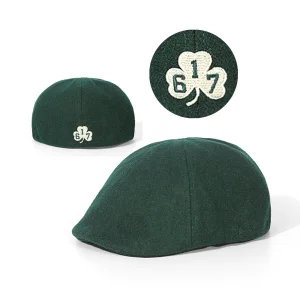
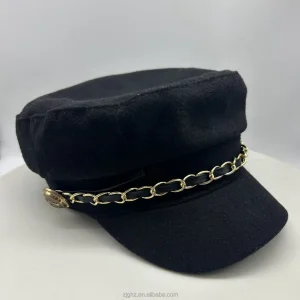
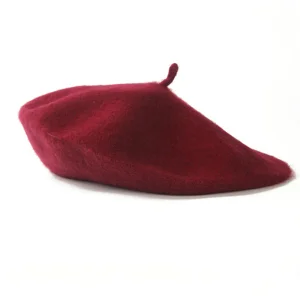
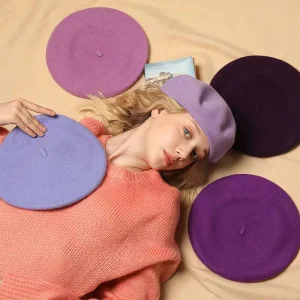
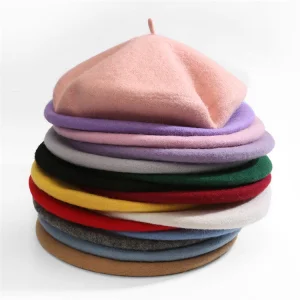
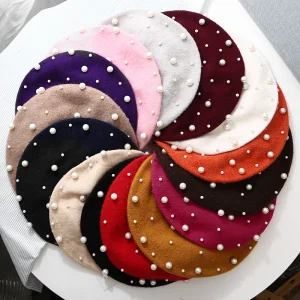
Curated design structures built to align with Tokyo's micro-trends, spanning functional elegance to avant-garde streetwear silhouettes.
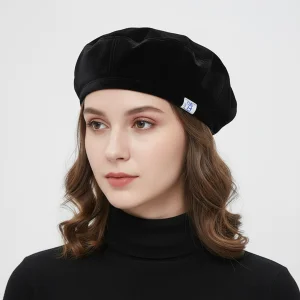
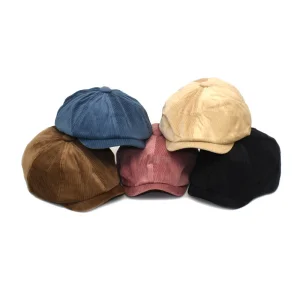
As a global hub for design sophistication, Tokyo dictates fashion cycles throughout East Asia. In recent years, the beret has transitioned from a niche retro-accessory into a staple of modern Japanese uniform wear and high-street fashion. Understanding the requirements of the Tokyo apparel retail sector is critical for factories seeking to service this demanding market. The intersection of aesthetic precision, material durability, and regulatory compliance is where leading-edge OEM/ODM producers like Wuxi U-Rare Fashion Co., Ltd. establish their competitive edge.
Whether sourcing for the subcultural runways of Harajuku, the high-end boutiques of Ginza, or corporate uniform providers in Chiyoda, Japanese buyers require a partner that understands the nuances of fiber properties, strict quality thresholds, and agile logistics. This industrial report analyzes the systemic challenges and engineering capabilities defining the current Tokyo-bound beret supply chain.
Tokyo’s retail ecosystem is bifurcated between high-volume fast-fashion networks and precision micro-brands. This dual nature influences how headwear inventories are managed. For luxury apparel lines in Ginza and Aoyama, wool felt density, shape retention, and stitch-less finishes are paramount. In contrast, the Shibuya-based streetwear segment demands experimental materials such as PU leather, heavy-duty canvas, and knitted mesh.
Additionally, Japanese educational institutions and transit systems maintain a strong tradition of structured hats as part of official uniform codes. Suppliers targeting Tokyo must have the capability to handle bulk production runs with absolute color consistency (utilizing Pantone matching systems and lab-dip verification) while ensuring that fabrics satisfy rigorous colorfastness to light and rubbing tests.
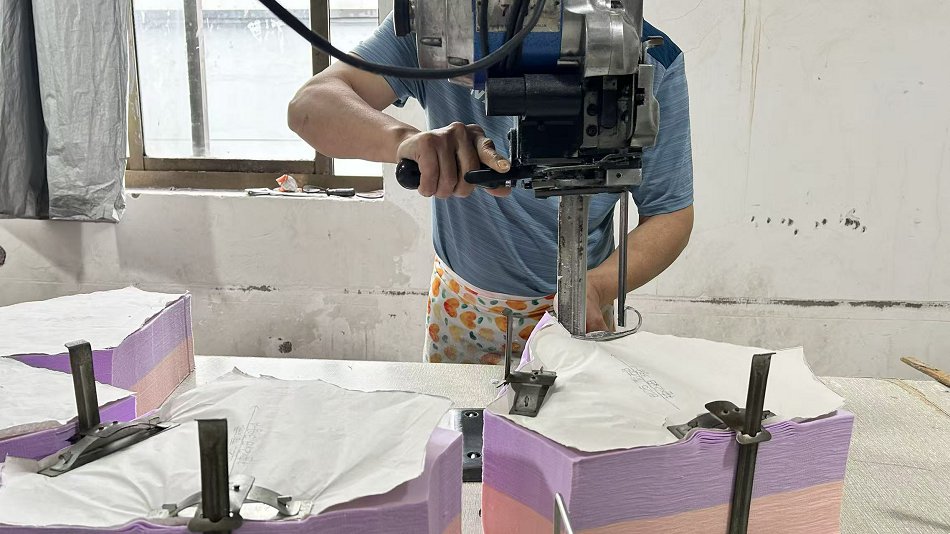
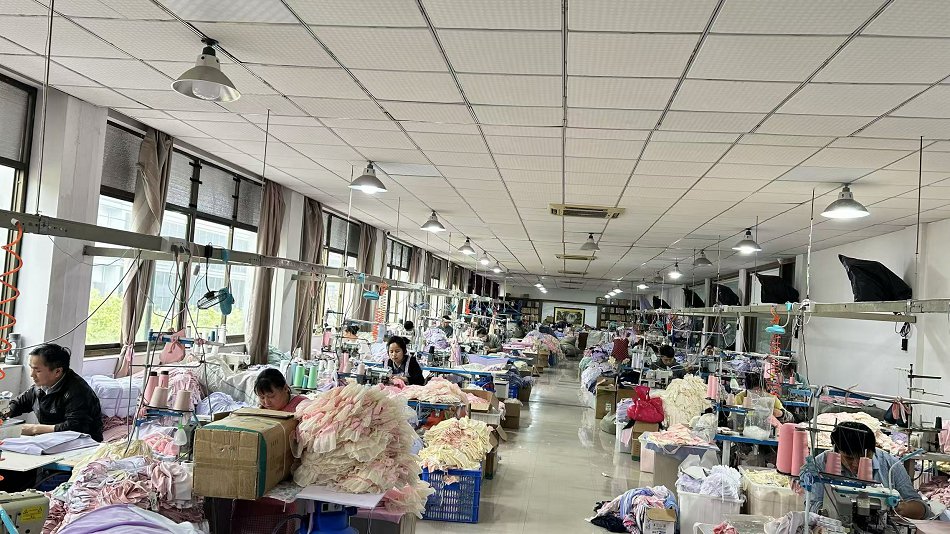
Modern beret fabrication is no longer just a craft of manual molding. At U-Rare Fashion, we incorporate computerized knitting systems and advanced molding technology to optimize shape retention and structural durability.
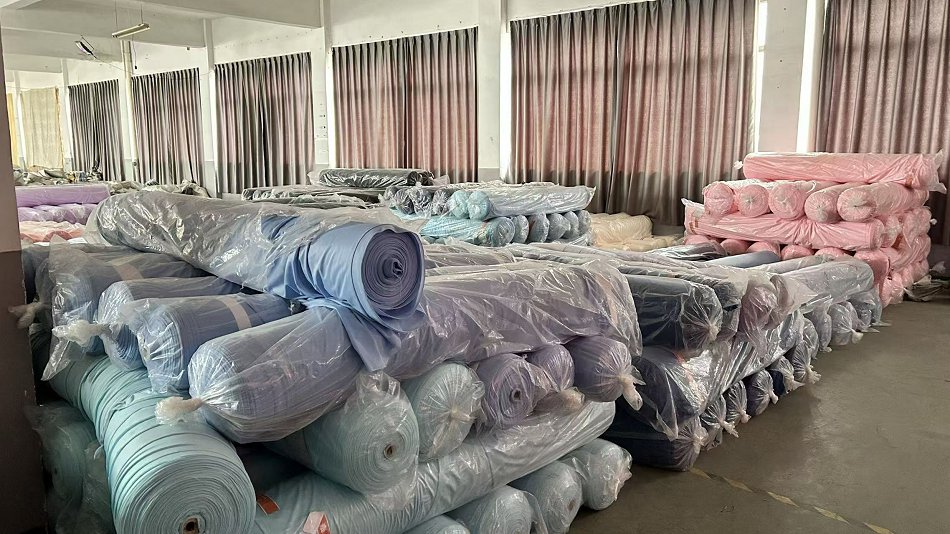
Located within the East China textile industrial cluster in Wuxi, Jiangsu province, U-Rare Fashion leverages a highly integrated local supply chain. This translates directly to speed and pricing advantages for Tokyo buyers.
We maintain direct partnerships with yarn spinners, dyeing facilities, and trim manufacturers. This allows us to shorten lead times for custom samples to just 5–7 days. Shipping from Wuxi to Tokyo Port or Yokohama Port is highly optimized, with regular maritime and air routes ensuring that logistics transitions are smooth, minimizing the risk of seasonal inventory stock-outs.
A granular look at the end-to-end processing pipeline inside our Wuxi facilities, designed to satisfy the exacting standards of international brands.
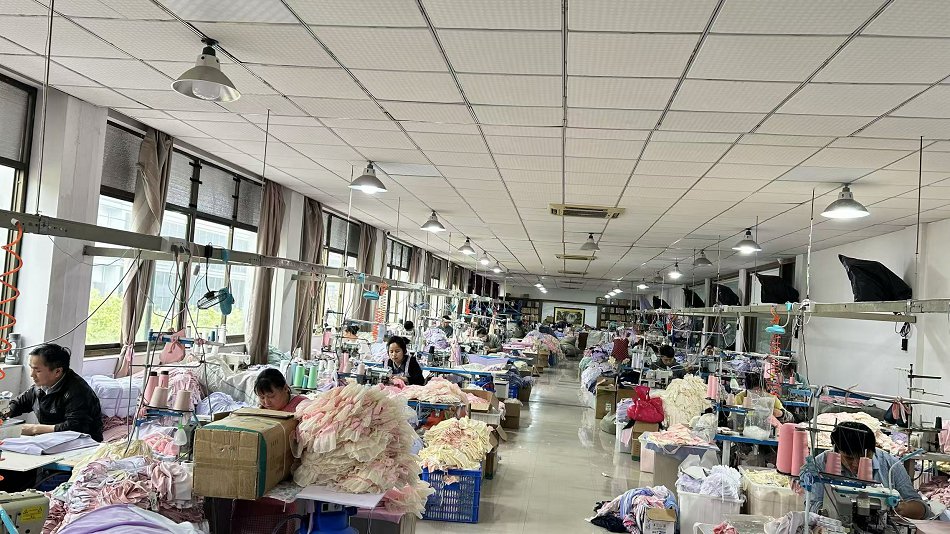
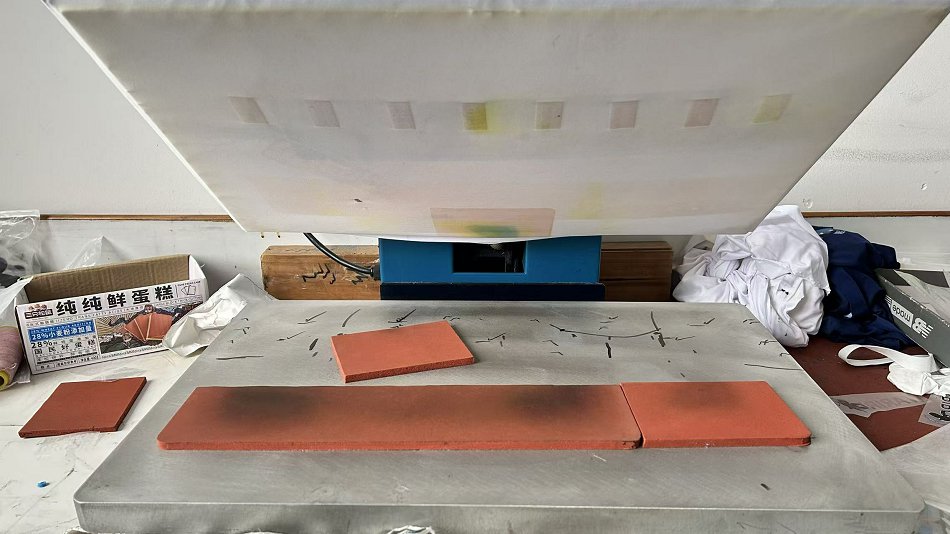
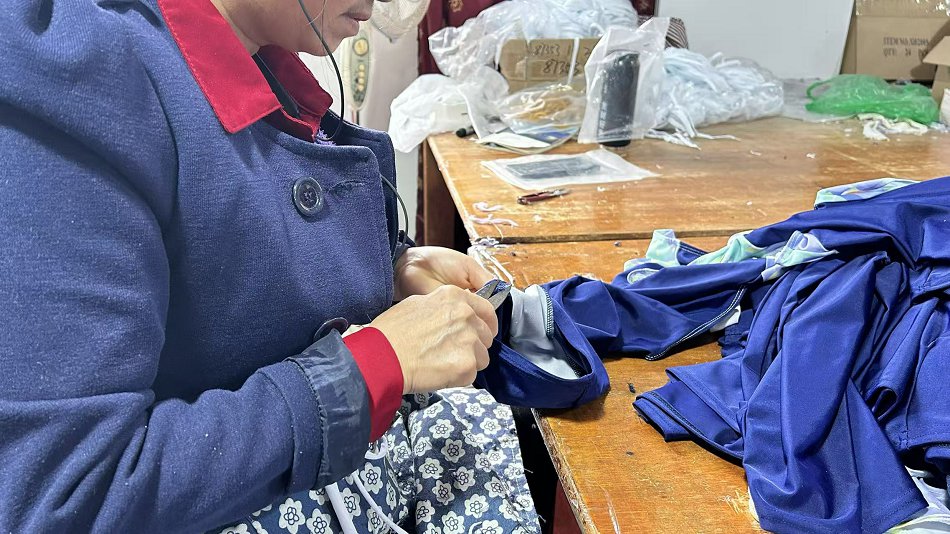
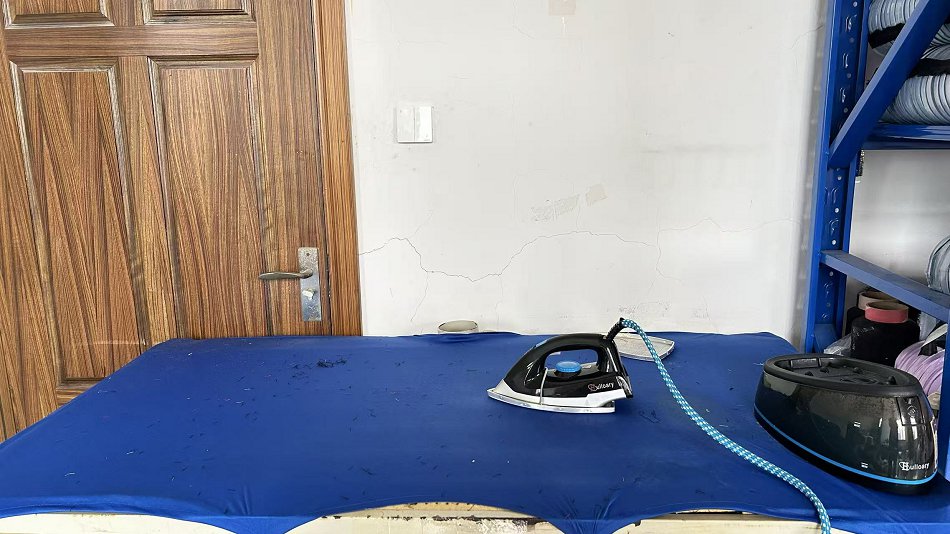
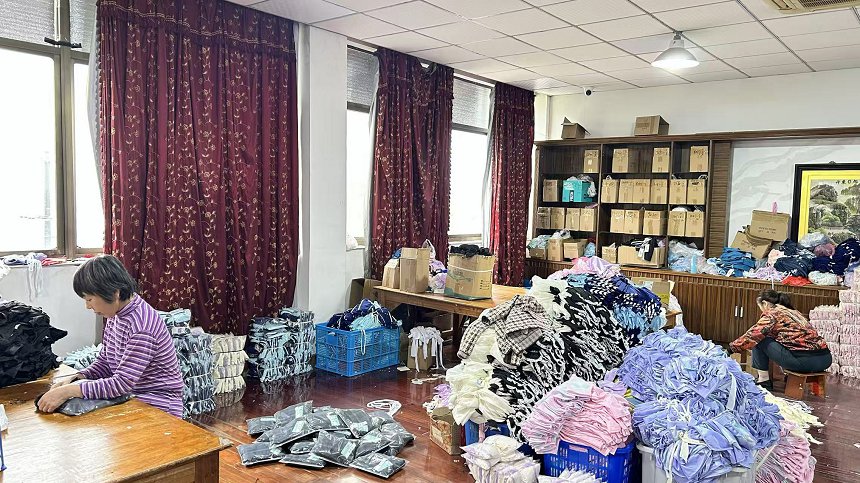
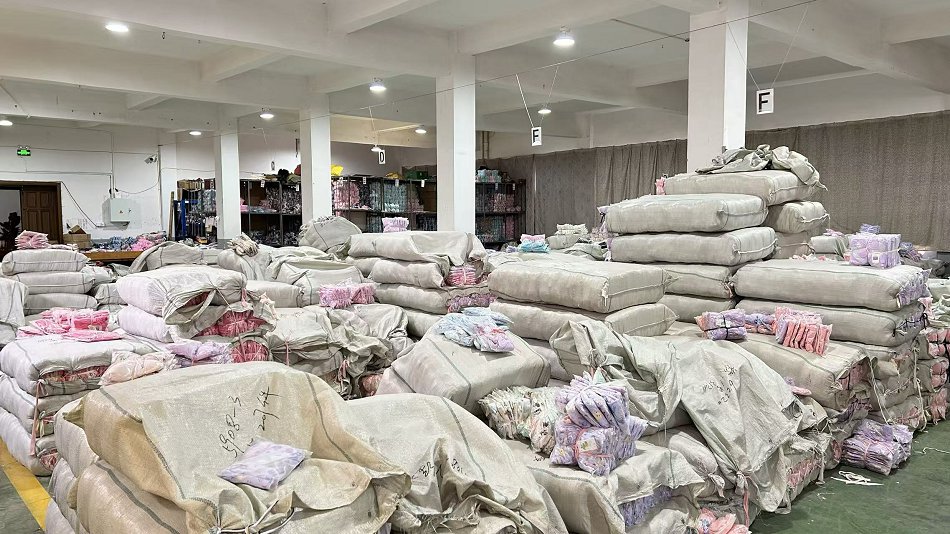
Expert insights addressing tariffs, compliance, lead times, and materials for Tokyo fashion brands.
Under the Regional Comprehensive Economic Partnership (RCEP), textile products and headwear imported from China to Japan enjoy progressively lower tariff rates. We provide complete Certificates of Origin (Form RCEP) to ensure your customs brokers can apply for preferential tariff rates, significantly reducing landed costs at Tokyo ports.
We are fully integrated with Japan's "Kenpin" inspection workflow. Our facility features dedicated workspaces for third-party inspectors to review products prior to shipment. Additionally, we run specialized metal-detectors to identify and remove any trace needle fragments, guaranteeing 100% compliance with Japan's consumer safety requirements.
Standard mass production takes approximately 25 to 35 days after sample approval. For logistics, transit from Shanghai Port to Tokyo or Yokohama Port takes 5 to 7 days by sea. For high-priority launches, air freight from Wuxi/Shanghai to Narita or Haneda Airport takes 24 to 48 hours.
Yes. We offer fully customizable sweatbands including elastic drawstrings, velcro adjustments, and leather bands. We can embroider, screen-print, or attach custom metallic hardware to meet the brand aesthetics of Tokyo boutiques.
We supply GOTS-certified organic cotton, RWS-certified wool, and GRS-certified recycled polyester. All raw materials are tested for azo dyes and heavy metals to ensure they align with the sustainability mandates of major Japanese retailers.
Explore our full range of customizable headwear solutions, designed to withstand rigorous seasonal trends and heavy commercial usage.
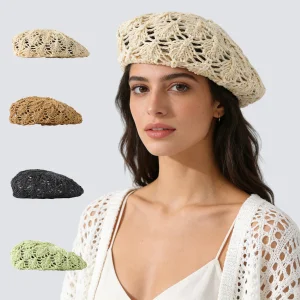
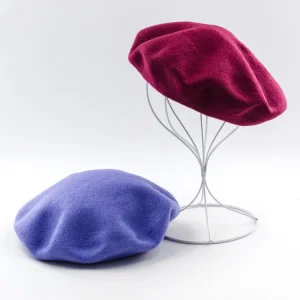
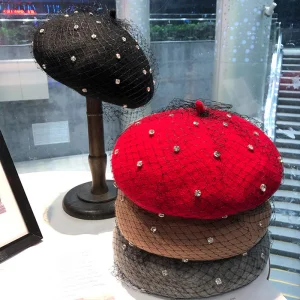
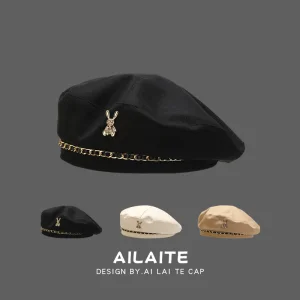
Partner with an industry-leading manufacturer to deliver certified, high-quality OEM/ODM headwear to the Tokyo retail market.
Send Inquiry Now U-Rare Fashion