U-Rare Fashion



Structural Dynamics & Global Sourcing Optimization for the Chicago Shawl Market
The consumer textiles sector in the Chicago metropolitan area represents a distinct cross-section of high-volume seasonal retail, premium hospitality demand, and institutional event sourcing. Characterized by Lake Michigan's severe continental weather patterns, the regional market dictates a split procurement schedule that demands extreme flexibility from international exporters. For commercial importers, retail buyers, and fashion labels based in Chicago, establishing direct relationships with verified manufacturers capable of handling both ultra-fine natural materials and advanced smart-textiles is crucial to securing regional market share.
As the fashion and functional apparel landscape transitions toward data-driven supply chains, Chicago brands face the challenge of aligning their inventory turn rates with rapid consumer preferences. In response, Wuxi U-Rare Fashion Co., Ltd. leverages two decades of textile engineering and global export logistics to act as a primary manufacturing partner for the Midwestern United States. This whitepaper analyzes the mechanical, economical, and logistical requirements necessary to operate an optimized supply chain for the Chicago market.
1. Chicago's Micro-Climate and Localized Retail Imperatives
Operating a fashion accessories brand or wholesale apparel business in Northern Illinois requires a deep understanding of local thermal and social patterns. Chicago experiences extreme temperature differentials, ranging from sub-zero winter wind-chills to humid mid-summer heatwaves. Consequently, the local demand for wraps, scarves, and shawls is not merely aesthetic but heavily functional.
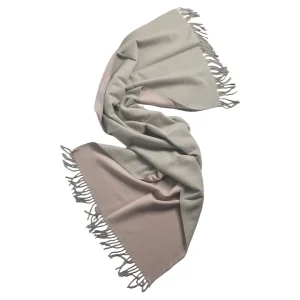
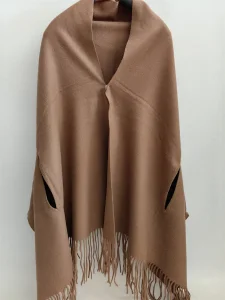
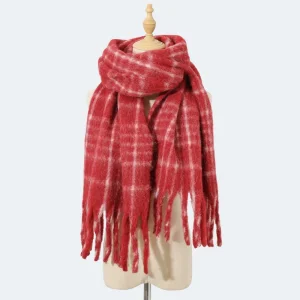
- The Loop Executive Commute: High-density office sectors in downtown Chicago require high-performance thermal insulation products that maintain a professional appearance. Mid-weight cashmere-wool blends and jacquard-woven structures are highly sought after by corporate commuters navigating wind corridors around Michigan Avenue.
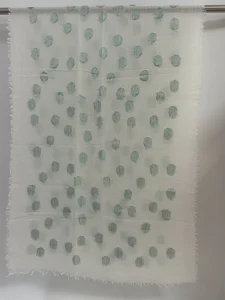
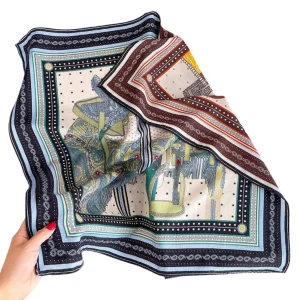
- Bridal and Historic Venues: Chicago's thriving event, gala, and wedding industry—centered around historic architectural venues—requires intricate lace shawls, delicate silk-wool square wraps, and custom-embellished bridal veils. These products must meet rigorous aesthetic standards, utilizing clean hand-rolled hems and high-grade printing processes.
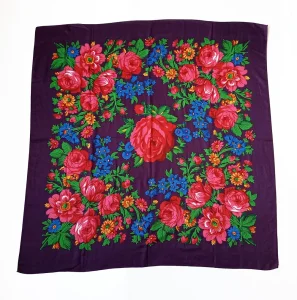
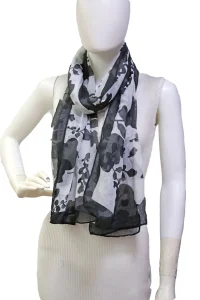
- Lakeside Transitional Seasons: Spring and autumn along the lakefront demand lightweight, breathable, and highly packable wraps. High-grade poly-cotton blends with customized tropical or botanical prints meet the consumer need for layers that easily pack into handbags.
2. Global Sourcing Realities: E-E-A-T and Material Safety Standards
For B2B buyers sourcing goods for the US market, compliance and traceability are non-negotiable. Importers face strict regulatory structures, including California Proposition 65 (which heavily influences Midwest retail standards) and the Consumer Product Safety Improvement Act (CPSIA). In the premium shawl category, the authenticity of natural fibers—such as raw cashmere and organic mulberry silk—must be backed by documented supply chain transparency.
Wuxi U-Rare Fashion Co., Ltd. addresses these E-E-A-T (Experience, Expertise, Authoritativeness, Trustworthiness) criteria through continuous investment in certified raw materials. By utilizing eco-friendly, sustainable, and traceable fibers (such as GOTS-certified organic cotton, OEKO-TEX Standard 100-compliant dyes, and certified recycled polyester), Wuxi U-Rare ensures that Chicago distributors can place products on retail shelves without exposure to chemical compliance risks. Every shipment is backed by laboratory test reports verifying exact fiber composition, guaranteeing that luxury claims on the packaging match the laboratory footprint of the yarns.
3. China Factory 4.0: Modern Supply Chain Resilience and Efficiency
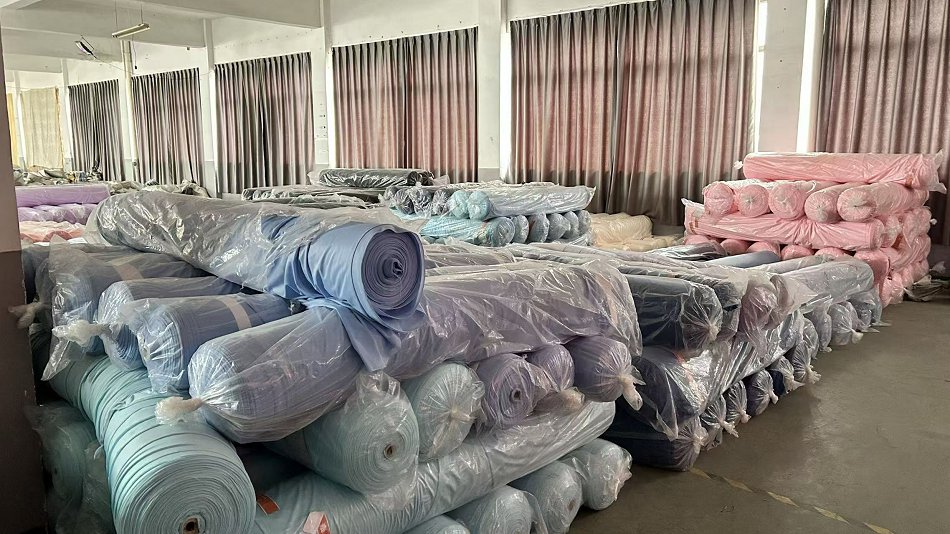
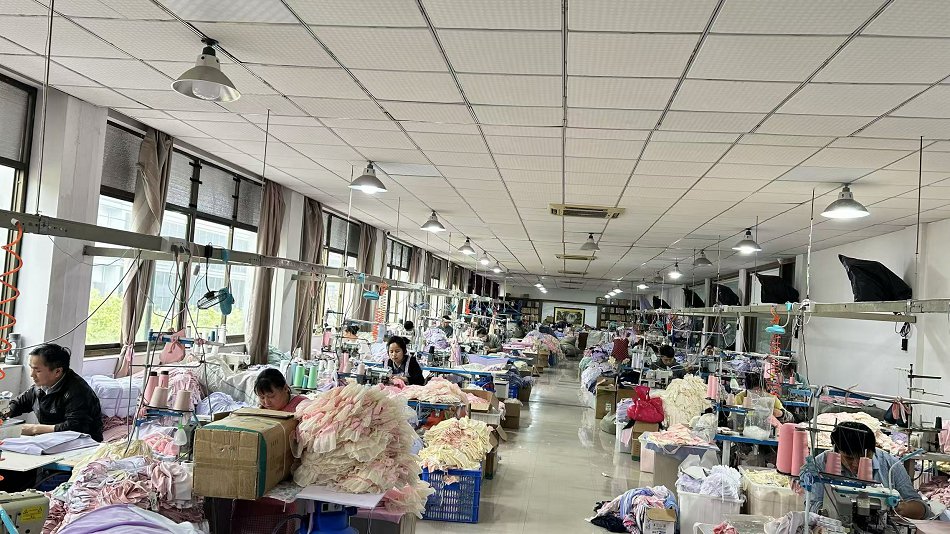
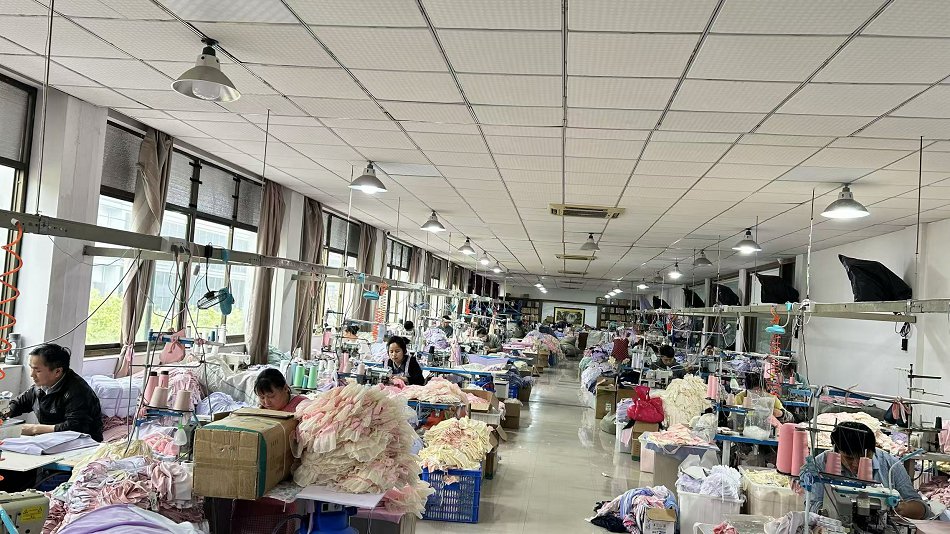
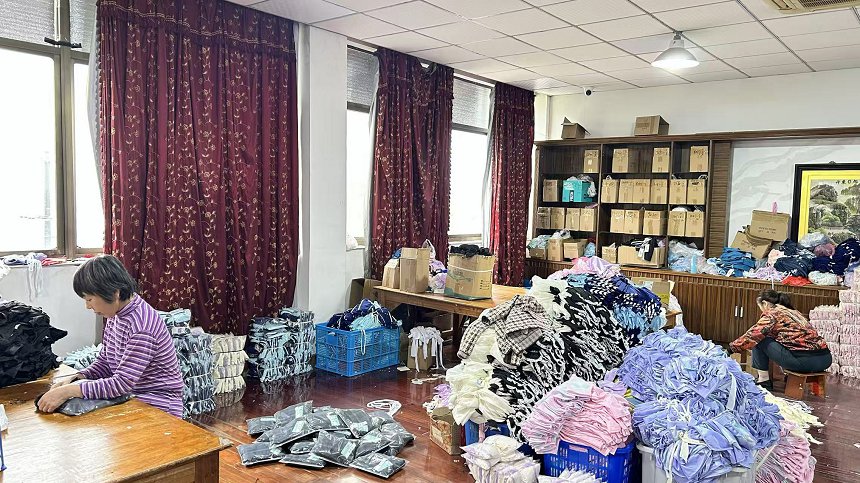
The modern B2B purchasing model has shifted away from massive, inflexible inventory buys toward a high-frequency, agile replenishment strategy. Wuxi U-Rare’s facility operates as a Factory 4.0 benchmark, integrating modern manufacturing technologies to achieve rapid prototyping, tight quality control, and scalable volume production.
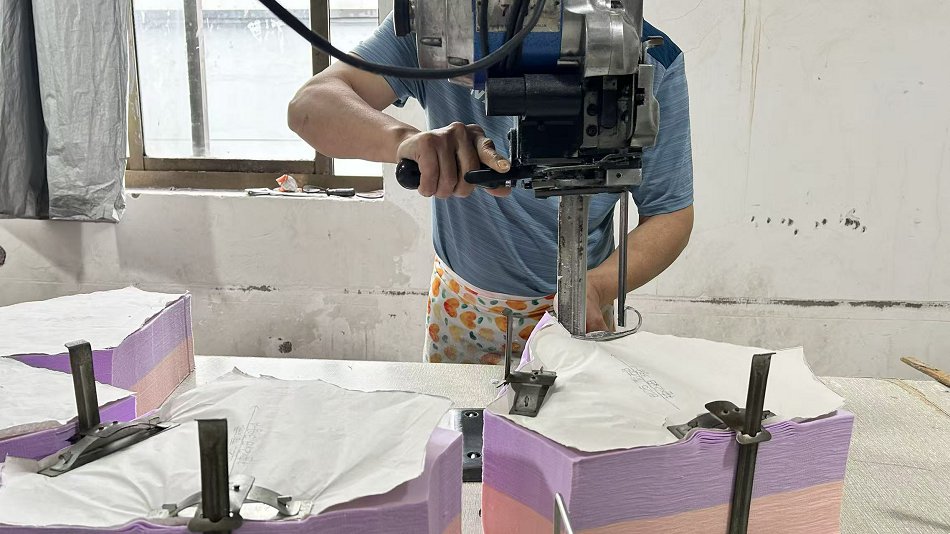
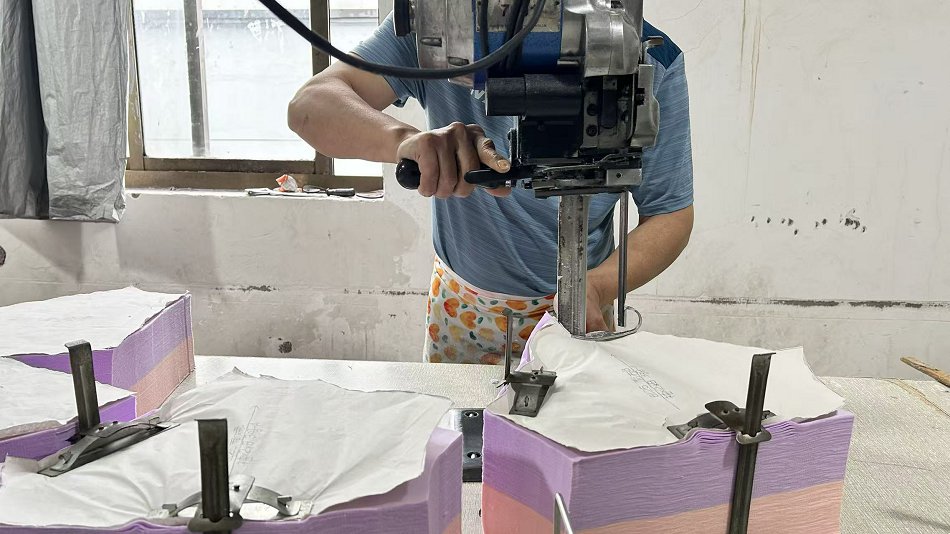
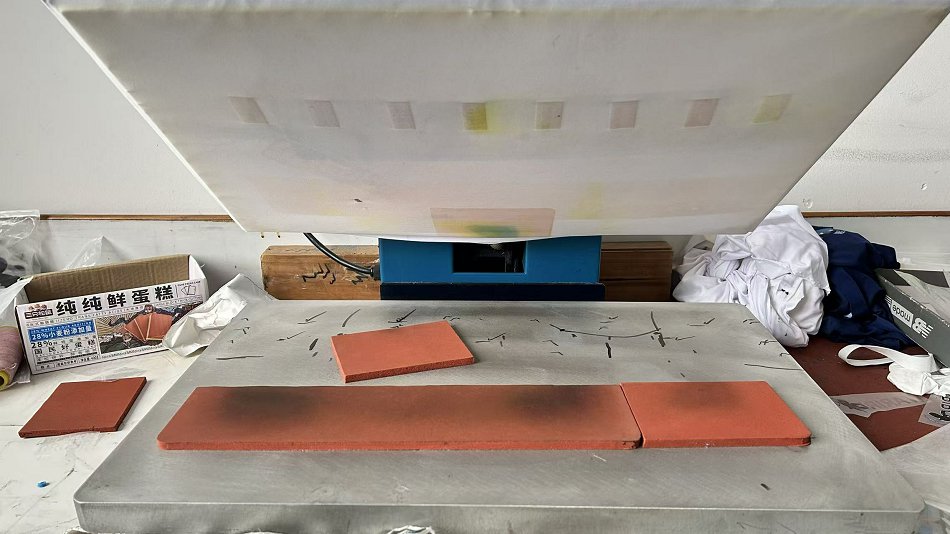
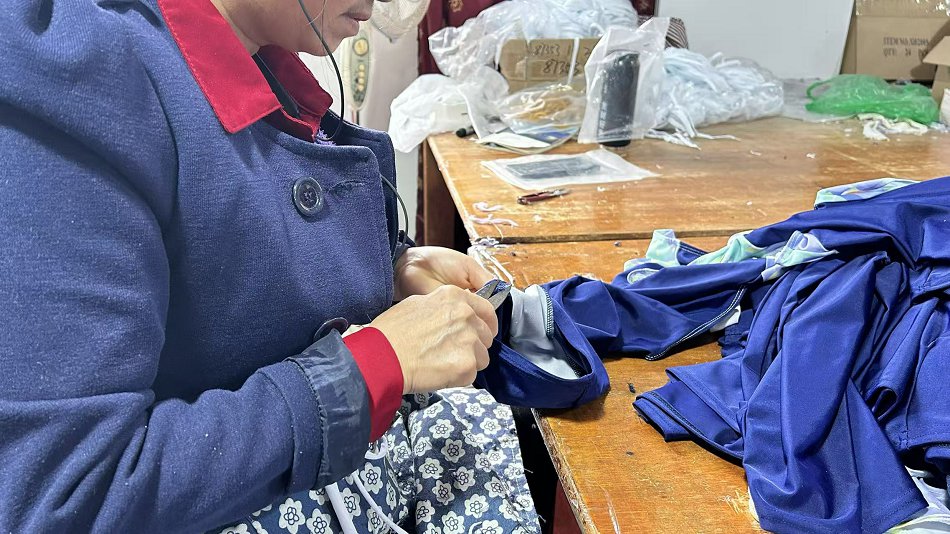
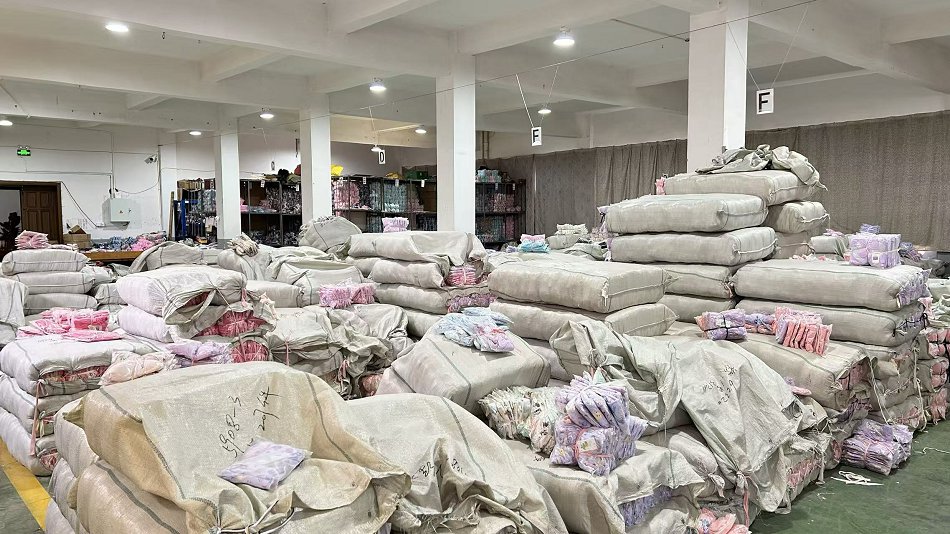
Our monthly production capacity of over 300,000 finished pieces is supported by specialized manufacturing steps. By combining computerized cutting beds with advanced thermal transfer and digital double-sided printing machinery, we eliminate the visual "white back" common in lower-grade digital printing. This ensures that printed patterns on fine silk-wool shawls display rich, vibrant colors on both faces of the textile. Furthermore, our automated inventory and tracking systems enable real-time tracking from raw yarn selection through cutting, sewing, inspection, and ocean or air shipment packaging, minimizing seasonal fulfillment delays for Chicago clients.